

Preventive Maintenance Software: The Complete Guide
August 12, 2026
UBCD536 Software Download: Complete Guide to Programming Your Scanner
August 12, 2026
Software sales is the process of promoting and selling digital products, licenses, or subscription-based services to businesses or individual customers. It combines technical knowledge with persuasive communication to help buyers understand how a software solution solves their problem.
Unlike physical products, software sales often involves longer decision cycles, multiple stakeholders, and ongoing customer relationships. Companies rely on structured sales models such as SaaS subscriptions or enterprise licensing to generate consistent revenue.
Mastering software sales requires understanding customer needs, building trust, and using the right tools to manage the entire buying journey. This guide breaks down every important stage of software sales in simple, easy-to-understand language.
What Is Software Sales and Why Does It Matter
Software sales refers to the complete process of converting a potential buyer into a paying customer for a software product or service. It matters because it directly drives company revenue and long-term customer relationships.
Definition of Software Sales
Software sales means offering digital solutions like applications, platforms, or tools to customers in exchange for payment. It can involve one-time purchases or recurring subscriptions. The goal is always to match a customer’s problem with the right software solution.
Why Software Sales Is Different From Product Sales
Software sales usually involves intangible products that customers cannot physically touch before buying. This makes trust, demonstrations, and clear communication extremely important. Buyers often need more convincing since they are investing in a long-term digital solution.
Types of Software Sales Models
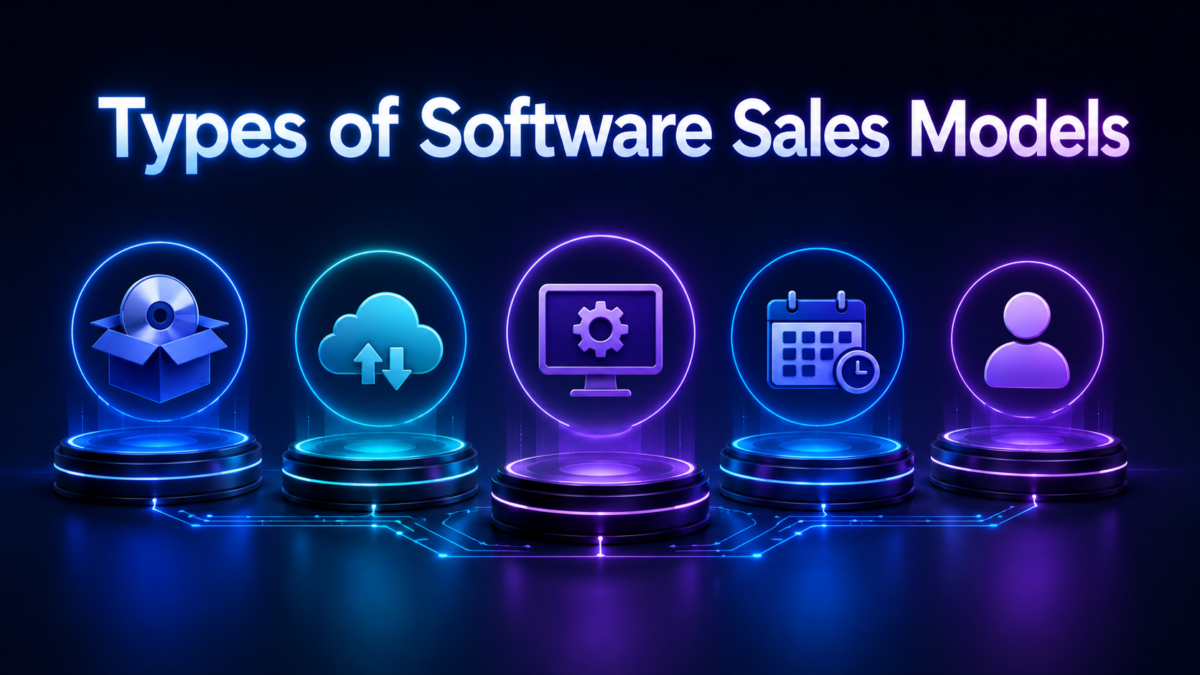
There are several common business models used in software sales, each designed to fit different customer needs and company goals. Choosing the right model affects pricing, customer retention, and overall growth strategy.
On-Premise Licensing
This model allows customers to purchase software once and install it directly on their own servers or systems. It usually involves a large upfront cost but no recurring fees. This model is common in industries with strict data security requirements.
SaaS (Subscription-Based) Model
Software as a Service is one of the most popular models in modern software sales. Customers pay a monthly or yearly fee to access the software through the cloud. This model creates predictable, recurring revenue for companies.
Freemium and Usage-Based Pricing
Freemium allows users to access basic features for free while charging for advanced features. Usage-based pricing charges customers based on how much they actually use the software. Both models help attract new users with lower entry barriers.
Understanding the Software Sales Cycle
The software sales cycle is a step-by-step journey that a potential customer goes through before becoming a paying user. Understanding this cycle helps sales teams plan their approach and close deals more efficiently.
Prospecting and Lead Qualification
This is the first stage where sales representatives identify potential customers who might benefit from the software. Not every lead is a good fit, so qualification helps filter out unqualified prospects early. This saves time and increases overall efficiency.
Product Demonstration and Proposal
Once a lead is qualified, the sales team presents a live demo showing how the software solves the customer’s specific problem. After the demo, a formal proposal with pricing and terms is shared. This stage builds confidence in the buyer’s decision.
Negotiation and Closing
At this stage, both parties discuss pricing, contract terms, and any customizations needed. Skilled negotiation ensures a win-win outcome for both the company and the customer. Once terms are agreed upon, the deal is officially closed.
Key Roles Involved in Software Sales
A successful software sales team is made up of different specialists who each play a unique role in guiding the customer from first contact to final purchase.
Sales Development Representative (SDR)
SDRs are responsible for finding and qualifying new leads before passing them to account executives. They usually handle cold calls, emails, and initial outreach. Their main focus is filling the sales pipeline with quality prospects.
Account Executive (AE)
Account executives take qualified leads and guide them through demos, proposals, and negotiations. They are directly responsible for closing deals and hitting revenue targets. Strong communication and product knowledge are essential for this role.
Sales Engineer and Customer Success Manager
Sales engineers provide technical support during the sales process, especially for complex software solutions. Customer success managers step in after the sale to ensure customers are satisfied and continue using the product. Both roles help reduce customer churn.
B2B vs B2C Software Sales
Business-to-business and business-to-consumer software sales follow very different approaches because of the buyers involved. Understanding these differences helps companies design better sales strategies.
B2B Software Sales Characteristics
B2B software sales usually involve multiple decision-makers, longer sales cycles, and higher contract values. Building trust with company stakeholders is critical since the purchase impacts an entire organization. Personal relationships often play a big role in closing these deals.
B2C Software Sales Characteristics
B2C software sales target individual consumers and usually have shorter decision-making periods. Pricing is often lower, and the buying process is more self-service based. Marketing and user experience play a bigger role than direct sales interaction.
Lead Generation Strategies for Software Sales
Generating consistent leads is the foundation of any successful software sales strategy. Companies use a mix of inbound and outbound methods to attract potential buyers.
Inbound Marketing Techniques
Inbound marketing includes content creation, search engine optimization, and social media engagement to attract leads naturally. This approach builds trust before any direct sales contact happens. It works well for long-term, sustainable growth.
Outbound Prospecting Methods
Outbound methods include cold calling, cold emailing, and direct outreach through platforms like LinkedIn. This approach is more proactive and works well for targeting specific high-value accounts. It requires strong messaging to capture attention quickly.
Qualifying Leads the Right Way
Not every interested prospect is ready to buy, so qualification frameworks help sales teams focus on the right opportunities. This step prevents wasted time and improves overall conversion rates.
The BANT Framework
BANT stands for Budget, Authority, Need, and Timeline. This framework helps sales reps determine whether a lead has the resources and urgency to make a purchase. It remains one of the simplest and most widely used qualification methods.
The MEDDIC Framework
MEDDIC is a more detailed framework often used for complex, enterprise-level software sales. It focuses on metrics, decision criteria, decision process, identified pain, and champion within the buyer’s organization. This method works well for high-value B2B deals.
Handling Objections During Software Sales
Objections are a normal part of the software sales process and should be seen as opportunities rather than rejections. Handling them well can turn a hesitant prospect into a confident buyer.
Common Objections and How to Respond
Price concerns, competitor comparisons, and timing issues are the most frequent objections in software sales. Sales reps should listen carefully and address the underlying concern rather than just the surface complaint. Providing real examples or case studies often helps ease doubts.
Building Trust to Overcome Resistance
Trust is built through honesty, transparency, and consistent follow-up throughout the sales process. Sharing customer testimonials or free trials can significantly reduce buyer hesitation. A trustworthy approach always outperforms aggressive selling tactics.
Pricing and Proposal Strategies
Pricing strategy plays a major role in how customers perceive the value of a software product. A well-structured proposal makes the buying decision easier for the customer.
Value-Based Pricing
Value-based pricing sets the price according to the actual value or return on investment the software provides to the customer. This approach works well for enterprise software sales where ROI can be clearly measured. It often results in higher customer satisfaction.
Tiered Pricing Models
Tiered pricing offers multiple packages with different features and price points to suit various customer budgets. This allows companies to serve small businesses and large enterprises with the same product. It also encourages upselling to higher tiers over time.
Closing Techniques That Work
Closing is the final and most critical step in software sales, where all previous efforts come together to secure the deal. Using the right technique at the right moment can make a significant difference.
The Assumptive Close
This technique involves speaking as if the customer has already decided to buy, which naturally guides them toward final confirmation. It works best when the buyer has shown strong interest throughout the process. It should be used carefully to avoid sounding pushy.
The Urgency Close
Creating a sense of urgency, such as limited-time pricing or bonus features, encourages faster decision-making. This method works well for customers who are ready but hesitant to commit immediately. Genuine urgency always performs better than artificial pressure.
Essential Tools and Metrics in Software Sales
Modern software sales teams rely on technology and data to track performance and improve results. The right tools and metrics provide clear visibility into the entire sales pipeline.
Popular CRM Tools
Customer Relationship Management tools like Salesforce, HubSpot, and Pipedrive help sales teams organize leads and track deal progress. These platforms also automate follow-ups and reporting tasks. Using a CRM is now considered essential for any serious sales operation.
Important Sales Metrics to Track
| Metric | What It Measures |
| MRR (Monthly Recurring Revenue) | Predictable monthly income from subscriptions |
| Churn Rate | Percentage of customers who cancel over time |
| CAC (Customer Acquisition Cost) | Total cost to acquire one new customer |
| LTV (Lifetime Value) | Total revenue expected from one customer |
| Win Rate | Percentage of deals successfully closed |
Tracking these metrics helps sales leaders make informed decisions and improve overall strategy in software sales.
Common Challenges in Software Sales
Every software sales professional faces certain obstacles that can slow down the sales process or reduce conversion rates. Recognizing these challenges early helps in preparing better solutions.
Long and Complex Sales Cycles
Enterprise software sales often take months to close due to multiple approvals and technical evaluations. This requires patience and consistent follow-up from the sales team. Staying organized with a CRM helps manage these longer timelines effectively.
Intense Market Competition
The software industry is highly competitive, with many companies offering similar solutions. Standing out requires clear differentiation, strong customer service, and a compelling value proposition. Regularly analyzing competitors helps refine positioning and messaging.
Future Trends Shaping Software Sales
The software sales industry continues to evolve with new technology and changing buyer expectations. Staying updated with these trends helps companies remain competitive.
AI-Powered Sales Tools
Artificial intelligence is increasingly used to predict customer behavior, automate follow-ups, and personalize outreach. These tools help sales teams work smarter and close deals faster. AI is expected to play an even bigger role in the coming years.
Self-Service and Remote Selling
More customers now prefer exploring software independently through free trials before talking to a salesperson. Remote and virtual selling has also become standard practice. This shift requires sales teams to adapt their strategies for a more digital-first buyer.
Frequently Asked Questions
What skills are needed for software sales?
Strong communication, active listening, product knowledge, and problem-solving skills are essential for success in software sales.
Is software sales a good career choice?
Yes, software sales offers high earning potential, especially through commission-based structures, and strong career growth opportunities.
How long does a typical software sales cycle take?
It varies widely, ranging from a few days for simple products to several months for enterprise-level software solutions.
Conclusion
Software sales is a dynamic field that blends technical understanding with strong interpersonal skills. From lead generation to closing deals, every stage requires a thoughtful and customer-focused approach.
By understanding different sales models, mastering objection handling, and using the right tools, sales professionals can consistently achieve better results. As technology continues to evolve, staying adaptable will remain key to long-term success in software sales.
Related Articles
AEC Software News Today: Latest Updates, Trends & Industry Insights (2026)
Material Nesting Software for Length of Material: A Complete Guide
Audials Music 2024: Complete Guide to the Music Streaming Capture Software
Laser Engraver Software: Complete Beginner to Advanced Guide 2025


