
Software Configuration Management Jobs: A Complete Career Guide
July 27, 2026
Software TM1 : A Complete Guide to IBM Planning Analytics
July 27, 2026
Fleet software management is the practice of controlling, updating, and monitoring the software running across a group of vehicles, machines, or connected devices from one central system. Instead of physically visiting each unit, teams can push updates, check performance, and fix problems remotely.
This approach has become essential as vehicles and equipment grow more digital and connected. Companies rely on it to keep operations running smoothly while avoiding unnecessary downtime.
Whether it is a fleet of delivery trucks, industrial sensors, or company laptops, the same core idea applies: manage everything from a single, reliable dashboard. This guide walks through how it works, why it matters, and what to look for when choosing a solution.
What Is Fleet Software Management
At its core, fleet software management refers to the tools and processes that keep every device in a fleet running the correct, up-to-date software. It brings order to what would otherwise be a scattered and manual task.
Definition and Core Idea
The term describes a system that tracks, updates, and configures software across many connected units at once. Rather than handling each vehicle or device individually, administrators use a single platform to push changes everywhere. This saves time and reduces the chance of human error during manual updates.
Why Businesses Need It Today
Modern vehicles and equipment run on complex software that needs regular patches and improvements. Without a structured system, keeping track of versions across hundreds of units becomes unmanageable. Fleet software management gives businesses the visibility and control needed to stay efficient and secure at scale.
How Fleet Software Management Works
The process generally follows a few repeatable steps, from registering a device to confirming that an update installed correctly. Understanding this flow makes it easier to see why the system is so valuable.
Centralized Dashboard and Monitoring
Every device or vehicle is registered into a central dashboard that displays its software version, health status, and connectivity. Administrators can view the entire fleet at a glance instead of checking each unit separately. This central view is often the first thing teams interact with daily.
Over-the-Air Updates Explained
Over-the-air, or OTA, updates allow new software to be sent to vehicles or devices through an internet or cellular connection. There is no need for a technician to physically connect a cable or visit the location. This method has become the standard way to deliver both minor fixes and major feature updates.
Staged Rollouts and Rollbacks
Instead of pushing an update to the whole fleet at once, many systems release it to a small group first. If no issues appear, the update continues to the rest of the fleet in stages. Should a problem arise, the system can quickly roll back to the last stable version to avoid widespread disruption.
Key Benefits of Fleet Software Management
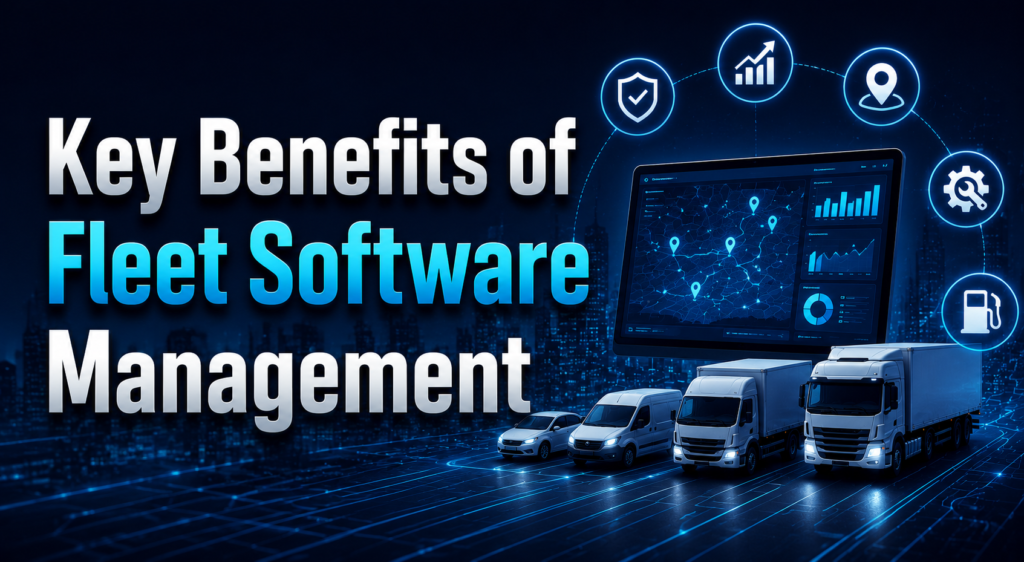
Adopting a structured system brings measurable advantages that go beyond simple convenience. These benefits touch cost, safety, and overall reliability.
Reduced Downtime and Cost Savings
Because updates and diagnostics happen remotely, vehicles and machines spend less time out of service. Businesses save on travel costs, technician labor, and the lost productivity that comes with manual maintenance visits. Over time, these savings add up significantly across a large fleet.
Stronger Security and Compliance
Security patches can be delivered quickly across the entire fleet as soon as a vulnerability is discovered. This shortens the window during which devices remain exposed to threats. It also helps companies meet industry regulations that require timely software updates and proper record-keeping.
Common Challenges in Fleet Software Management
No system is without its difficulties, and it helps to understand these before adopting a platform. Recognizing the challenges early allows businesses to plan around them.
Connectivity and Version Fragmentation
Vehicles operating in remote areas may lack a stable internet connection, delaying updates. Over time, this can cause different units to run different software versions, making the fleet harder to manage consistently. Reliable connectivity planning is often needed to reduce this gap.
Cybersecurity and Data Privacy Risks
Since updates travel over networks, they can become a target for attackers if not properly secured. Weak authentication or unencrypted data transfer can expose sensitive fleet information. Strong security protocols are necessary to keep both the software and the data it carries safe.
Industry Applications of Fleet Software Management
The concept applies across many different sectors, each with its own specific needs and priorities. The table below highlights a few common examples.
| Industry | Typical Use Case | Main Priority |
| Automotive | Connected cars and electric vehicles | Safety and performance updates |
| Logistics | Delivery and trucking fleets | Route efficiency and diagnostics |
| Manufacturing | Industrial IoT sensors and machines | Uptime and predictive maintenance |
| Enterprise IT | Company laptops and mobile devices | Security patching and compliance |
Automotive and Logistics Fleets
Car manufacturers use fleet software management to send safety and performance updates directly to vehicles. Logistics companies apply the same idea to trucks, tracking engine diagnostics and delivery routes remotely. Both industries depend on timely updates to avoid costly breakdowns.
Enterprise and IoT Device Fleets
Companies managing large numbers of laptops, phones, or sensors use similar tools to enforce security policies. IoT device fleets, such as factory sensors, rely on remote updates to stay accurate and functional. In both cases, centralized control reduces the workload on IT teams.
Choosing the Right Fleet Software Management Solution
Selecting a platform depends on the size of the fleet, the industry, and the specific features required. A careful comparison before committing to one vendor can prevent costly mistakes later.
Features to Evaluate
When comparing platforms, businesses should look closely at what each one truly offers rather than relying on marketing claims. Useful features generally include the following.
- Support for staged rollouts and automatic rollback
- Detailed monitoring and diagnostic reporting
- Strong encryption and access control
- Scalability for growing fleet sizes
- Clear compliance and audit reporting
Comparing Popular Vendors
Several established providers serve this space, including automotive-focused OTA platforms, cloud-based IoT device managers, and enterprise mobile device management tools.
Automotive-specific platforms tend to focus heavily on safety certification, while cloud-based IoT tools often prioritize scalability across thousands of sensors. Enterprise-focused solutions, by contrast, place more weight on security policy enforcement than on vehicle-specific diagnostics, so the right choice depends on which category best matches the fleet in question.
The Future of Fleet Software Management
As technology advances, the tools used to manage fleets are becoming smarter and more predictive rather than purely reactive.
AI-Driven Predictive Maintenance
Artificial intelligence is increasingly used to predict when a vehicle or device is likely to fail before it actually does. This allows maintenance teams to act early instead of waiting for a breakdown. Predictive maintenance is quickly becoming a standard expectation rather than an advanced feature.
5G and Autonomous Fleet Ecosystems
Faster network speeds through 5G are making software updates quicker and more reliable, even for large files. This is especially important for autonomous vehicles, which depend on constant software refinement. As these ecosystems mature, fleet software management will play an even larger role in keeping them safe and current.
Frequently Asked Questions
Is fleet software management only for vehicles?
No, it applies to any group of connected devices, including industrial sensors, laptops, and mobile equipment.
How often should fleet software be updated?
This depends on the industry, but security patches are usually applied as soon as they are available, while feature updates follow a planned schedule.
Can updates be reversed if something goes wrong?
Yes, most systems include a rollback feature that restores the last stable version if an update causes problems.
Is fleet software management expensive to set up?
Costs vary by fleet size and provider, but the long-term savings from reduced downtime often outweigh the initial investment.
Conclusion
Fleet software management has become a necessary part of running any modern fleet, whether it involves vehicles, industrial equipment, or enterprise devices. It brings together monitoring, updates, and security into one manageable system, reducing both cost and risk.
As industries continue to adopt connected technology, businesses that invest in a reliable fleet software management platform will be better positioned to stay efficient, secure, and competitive.
Related Articles
HOA Management Software: The Complete Guide for Communities
Follett Software Inbound Marketing Pipeline Conversion SDR Workflow
Error 207 AMD Software: Complete Guide to Fix the Graphics Device Detection Issue
Biochrom Resolution Software Free Download – Complete Guide
MCHOSE Web Software: Complete Setup and Feature Guide


