

Chevy Silverado GMC Sierra Software Update: Complete Guide to Installation, Features, Benefits & Troubleshooting
August 5, 2026
Whiteboard Animation Software Comparison Chart: Find Your Best Fit
August 6, 2026
Many Fedora users rely on the GNOME Software application to install programs, update packages, and manage Flatpak apps. However, after upgrading to Fedora 44, some users notice that the software application does not open, keeps loading forever, or crashes without showing any useful error. This issue can make it difficult to install updates or discover new applications.
If you are experiencing the fedora 44 software appbnot loading problem, you are not alone. The good news is that most cases are caused by common software issues that can be fixed without reinstalling Fedora.
This guide explains the reasons behind the problem, how to identify the exact cause, and the most effective solutions using simple language. Whether you are a beginner or an experienced Linux user, this article will help you restore the GNOME Software application and keep your Fedora system working smoothly.
Understanding GNOME Software in Fedora 44
GNOME Software is the default application manager in Fedora. Before fixing the problem, it is useful to understand how the application works and what changed in Fedora 44, because these details help explain many of the common loading issues discussed below.
What Is GNOME Software?
GNOME Software is the graphical package manager included with Fedora. It allows users to browse applications, install software, remove unwanted programs, and download system updates without typing Terminal commands.
The application also supports Flatpak packages, making it possible to install software from multiple sources through a single interface.
How It Works in Fedora 44
In Fedora 44, GNOME Software communicates with package repositories, the DNF5 package manager, and Flatpak services to display available software and updates.
Whenever the application starts, it refreshes package information in the background before showing the latest content. If one of these services fails to respond correctly, the application may remain stuck while loading.
Changes Introduced with Fedora 44
Fedora 44 includes updates to package management and system components that improve performance and security. These improvements also introduce new backend processes that work differently from previous Fedora releases.
While most systems upgrade successfully, a few users experience compatibility issues immediately after updating, leading to the fedora 44 software appbnot loading problem.
Common Symptoms of the Problem
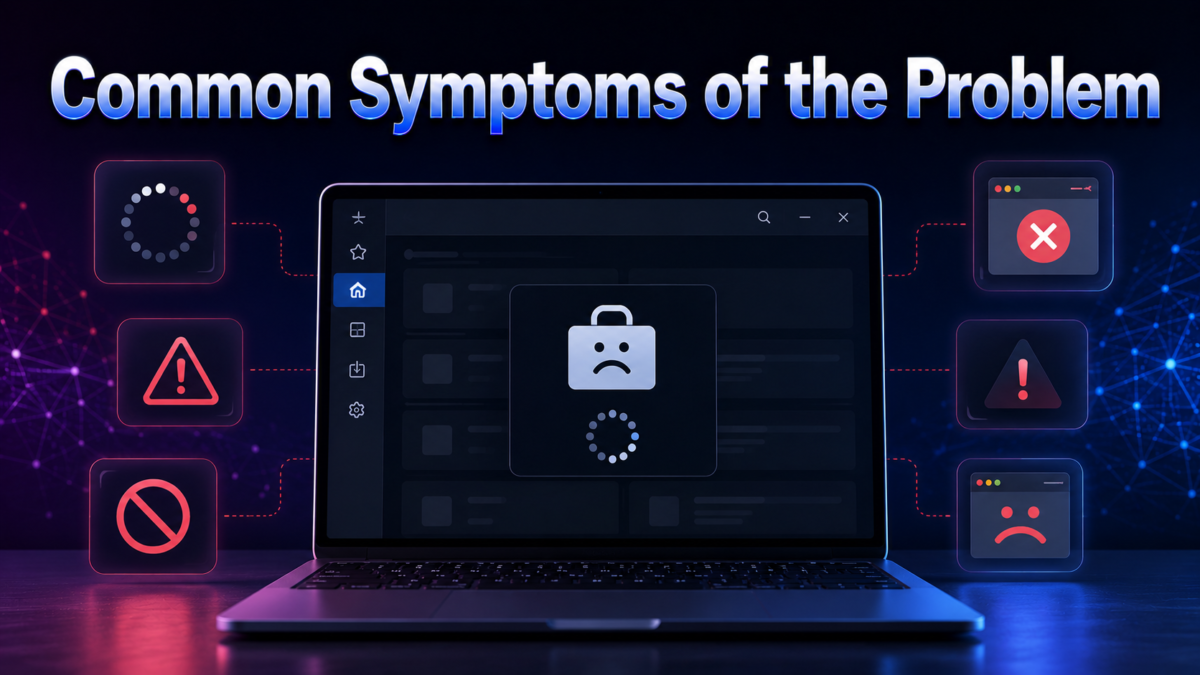
Different systems can show different signs of the same issue. Recognizing the symptoms helps narrow down the actual cause before trying any repair methods.
GNOME Software Won’t Open
Some users click the application icon, but nothing happens. The application may briefly appear before closing immediately, or it may never launch at all. This usually indicates a startup error related to system packages or corrupted configuration files.
Endless “Refreshing Data” Screen
The software application may continue displaying a loading or refreshing message without completing the process. This normally happens when repository metadata cannot be downloaded correctly or when background package services stop responding.
Blank or Frozen Application Window
In some cases, GNOME Software opens successfully but only displays a blank screen. The window may stop responding completely because the application cannot retrieve software information from the configured repositories.
Software Updates Not Appearing
The application may open normally but fail to display available updates. This situation often occurs when repository synchronization fails or cached package information becomes outdated after a Fedora upgrade.
Application Crashes Immediately
Some users experience an instant crash every time GNOME Software starts. Missing dependencies, damaged application files, or backend communication failures are common reasons behind this behavior.
Why Fedora 44 Software Appbnot Loading
Several different system components work together to run GNOME Software. If one component fails, the application may not load correctly, making it important to understand each possible cause.
DNF5 Backend Migration
Fedora 44 relies on the newer DNF5 backend for package management. Although it offers better speed and improved performance, some upgraded systems may experience temporary compatibility problems until all packages are fully synchronized.
Repository Synchronization Issues
Repositories provide package information for GNOME Software. If repository metadata becomes outdated or downloads fail because of network interruptions, the software application may remain stuck while refreshing data.
Third-Party Repository Conflicts
External repositories sometimes contain packages that are not fully compatible with the latest Fedora release. These repositories can interrupt software loading by causing dependency conflicts or package verification errors.
Flatpak Repository Problems
GNOME Software integrates Flatpak applications together with standard Fedora packages. If Flatpak remotes become corrupted or unavailable, the application may spend a long time attempting to refresh software information before eventually failing.
Most Common Causes Explained
Although many technical reasons exist, a small number of issues are responsible for most reports of the fedora 44 software appbnot loading problem.
Upgrade from Fedora 43 to Fedora 44
A major system upgrade changes thousands of packages at once. If the upgrade process is interrupted or some packages remain outdated, GNOME Software may struggle to communicate with the new package management system until everything is updated correctly.
Broken Repository Metadata
Repository metadata tells GNOME Software what packages are available. When this information becomes corrupted or incomplete, the application may continue refreshing indefinitely because it cannot finish loading package data.
Invalid GPG Key Verification
Fedora verifies repository packages using GPG keys for security. If repository keys become outdated or fail verification, GNOME Software may refuse to download package information until the security issue is resolved.
Incompatible Extensions
Certain desktop extensions or plugins may not work correctly after upgrading to Fedora 44. These compatibility problems can occasionally interfere with GNOME Software startup, especially if they modify package management behavior.
Background Services Not Responding
GNOME Software depends on several background services running correctly. If one service stops unexpectedly or fails to start during boot, the software application may remain stuck while waiting for a response.
How to Diagnose the Problem
Before applying any fix, it is important to identify what is preventing the software application from loading. A few simple checks can save time and help you choose the correct solution instead of trying unnecessary fixes.
Checking System Updates
Open the Terminal and check whether your Fedora system has pending updates. Sometimes GNOME Software fails because important packages were not installed completely. Installing all available updates ensures that the package manager and supporting services are using the latest versions.
Launching GNOME Software from Terminal
Running GNOME Software from the Terminal can display error messages that are hidden when launching it from the desktop. These messages often point to missing libraries, repository problems, or permission errors, making troubleshooting much easier.
Reading System Logs
Fedora stores detailed logs that record application errors and service failures. Reviewing these logs helps determine whether the issue is related to GNOME Software, the DNF5 backend, or another system component that needs attention.
Verifying Repository Status
Checking the configured repositories confirms that they are enabled and responding correctly. If a repository is unavailable or contains invalid metadata, GNOME Software may never complete its loading process.
Step-by-Step Solutions
Once the cause has been identified, you can apply the appropriate fix. These methods solve most cases of the fedora 44 software appbnot loading issue without requiring a complete system reinstall.
Restart GNOME Software
Close the application completely and start it again after a few seconds. A simple restart may clear temporary background processes that prevented the application from loading correctly.
Refresh Package Metadata
Refreshing repository information forces Fedora to download the latest package metadata. This removes outdated information that may cause endless loading or missing software updates.
Clear GNOME Software Cache
Deleting temporary cache files allows GNOME Software to rebuild fresh data during the next launch. This is one of the most effective solutions when corrupted cache files are responsible for startup failures.
Update All System Packages
Keeping every installed package updated ensures compatibility between GNOME Software, DNF5, and other system services. Many loading problems disappear after installing the latest Fedora updates.
Repair Flatpak Installations
If Flatpak applications contain damaged files or incomplete installations, repairing them restores proper communication with GNOME Software and improves application stability.
Rebuild Package Database
A damaged package database may confuse the package manager and prevent software information from loading correctly. Rebuilding the database restores consistency without affecting installed applications.
Disable Problematic Repositories
If the problem started after adding a third-party repository, temporarily disabling it helps determine whether it is causing package conflicts. Once confirmed, the repository can be updated or replaced.
Reinstall GNOME Software
Reinstalling GNOME Software replaces damaged program files while keeping the rest of the operating system unchanged. This solution is useful when the application itself becomes corrupted.
Restart Required Services
Restarting package management services refreshes communication between GNOME Software and the operating system. This often resolves issues caused by services that stopped unexpectedly.
Reboot the System
After completing repairs, restart your computer to ensure every updated service and package loads correctly. Many changes do not take full effect until the system is rebooted.
Terminal Commands That Can Help
The Terminal provides faster access to Fedora’s package management tools. Even if GNOME Software does not open, these commands allow you to maintain and repair your system.
| Task | Example Command |
| Update packages | sudo dnf update |
| Refresh metadata | sudo dnf clean all |
| Rebuild cache | sudo dnf makecache |
| Repair Flatpak | flatpak repair |
| Refresh Flatpak apps | flatpak update |
Fixing Third-Party Repository Issues
Third-party repositories can provide useful software, but they may also create compatibility problems after a major Fedora upgrade.
Identifying Problematic Repositories
Review the repositories currently enabled on your system and check whether any belong to external software providers. If the loading issue appeared after enabling one of them, it may require updating.
Temporarily Disabling Repositories
Disabling external repositories for testing helps determine whether they are responsible for dependency conflicts. If GNOME Software starts working normally afterward, the affected repository should be updated before being enabled again.
Updating Repository Keys
Repository security keys should always match the latest Fedora requirements. Updating expired or missing keys allows package verification to complete successfully during software refresh operations.
Re-enabling Repositories Safely
Once repository packages and keys are updated, enable them one at a time. This approach makes it easier to identify which repository causes problems if the issue returns.
Fixing Flatpak-Related Problems
Flatpak support is integrated into GNOME Software, so problems with Flatpak configuration can also prevent the application from working correctly.
Checking Flatpak Remotes
Verify that all configured Flatpak repositories are available and responding. Removing unused or unreachable remotes reduces synchronization errors during startup.
Repairing Flatpak Installation
The Flatpak repair tool scans installed applications for damaged files and restores missing components. Completing this process often improves GNOME Software performance.
Updating Flatpak Packages
Outdated Flatpak applications may contain compatibility issues with newer Fedora releases. Installing available updates helps maintain stability across the software ecosystem.
Removing Corrupted Applications
If one Flatpak application becomes damaged beyond repair, removing and reinstalling it prevents it from interfering with GNOME Software during startup.
What to Do After Upgrading to Fedora 44
A successful upgrade should always be followed by system maintenance. Install all remaining updates, verify package integrity, remove obsolete packages, and restart the computer. These simple tasks reduce the chance of encountering the fedora 44 software appbnot loading problem later.
Preventing the Problem in the Future
Keeping Fedora updated is the best long-term solution. Avoid installing unnecessary third-party repositories, refresh package metadata regularly, keep Flatpak applications updated, and review system logs whenever unusual behavior appears. Regular maintenance keeps the package management system reliable.
When to Use the Terminal Instead of GNOME Software
The Terminal remains a dependable alternative whenever the graphical software manager experiences temporary issues. Commands executed through DNF are often faster and provide detailed error messages that help identify problems quickly. Learning a few basic Terminal commands can make Fedora troubleshooting much easier.
Known Fedora 44 Bugs and Recent Fixes
Fedora developers continue improving GNOME Software through regular updates. Several early Fedora 44 issues related to package management and repository synchronization have already been resolved. Installing the latest system updates ensures you benefit from these fixes while reducing the possibility of future loading problems.
Troubleshooting Checklist
Before considering advanced repairs, review the following checklist:
- Confirm your internet connection is working properly.
- Install all available Fedora updates.
- Refresh repository metadata.
- Repair Flatpak installations.
- Clear the GNOME Software cache.
- Disable third-party repositories temporarily.
- Restart the package management services.
- Reboot the system after completing all changes.
Frequently Asked Questions
Why is Fedora 44 Software not opening?
The application may fail because of corrupted cache files, repository synchronization issues, incomplete updates, or conflicts with third-party repositories.
Can I update Fedora without GNOME Software?
Yes. You can safely install updates through the Terminal using the DNF package manager until GNOME Software works again.
Does reinstalling GNOME Software delete my applications?
No. Reinstalling the application only replaces the software manager itself and does not remove your installed programs.
Is this issue common after upgrading?
Some users experience loading problems after major Fedora upgrades, but most cases are resolved by installing updates or refreshing package information.
Conclusion
The fedora 44 software appbnot loading issue can look serious, but it is usually caused by cache corruption, repository synchronization problems, Flatpak configuration, or incomplete updates.
By identifying the exact cause and applying the appropriate fix, most users can restore GNOME Software without reinstalling Fedora. Keeping your system updated and performing regular maintenance will also help prevent similar issues in future Fedora releases.
Related Articles
Clipping Software Guide 2026: Features, Tools, Benefits & How to Use
Custom Manufacturing Software: A Complete Guide for Modern Manufacturers
Seisa Mouse Software: Complete Guide to Installation, Features & Customization
Cabinet Design Software: Complete Guide for Beginners & Professionals
Real Estate Transaction Management Software: Complete Guide 2026


