

Aula F75 Software: Complete Download, Install & Setup Guide
July 21, 2026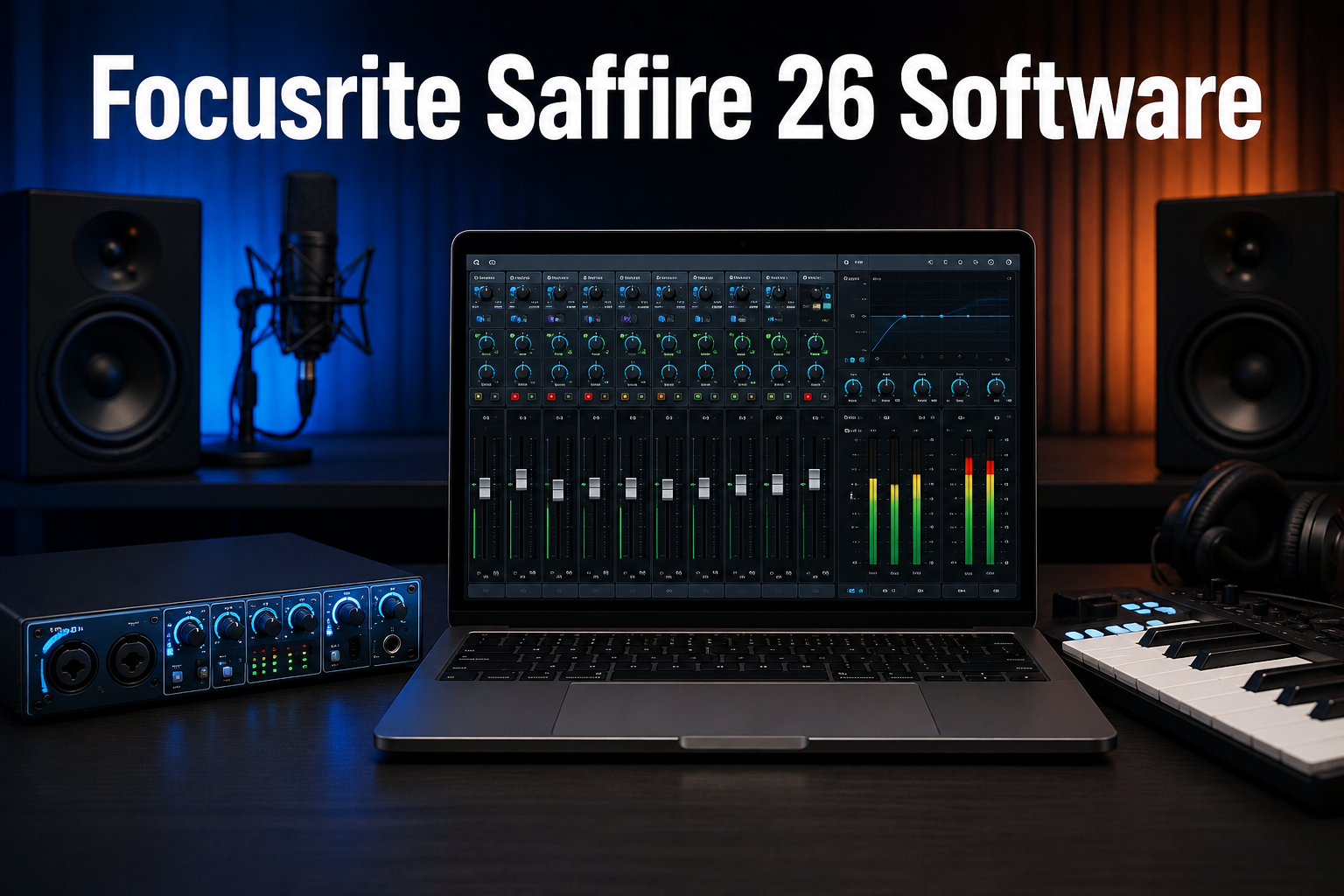
Focusrite Saffire 26 Software: Complete Guide
July 21, 2026
Choosing the right event ticketing platform can shape how smoothly your box office runs and how happy your customers feel. AudienceView is a well known name in this space, but it is not the only option available.
Many venues, theaters, and organizations are actively searching for AudienceView competitors event ticketing software because they want better pricing, easier support, or features that fit their specific type of event.
This guide walks through the top alternatives, what makes each one unique, and how to decide which platform truly matches your organizational needs.
What is Event Ticketing Software?
Event ticketing software is a digital tool that helps organizers sell tickets, manage seating, and track attendee information all in one place. It replaces manual box office work with automated systems that save time and reduce errors.
Definition and Core Purpose
At its core, event ticketing software allows an organization to create events online, set pricing tiers, and accept payments securely. It also generates digital or printable tickets that attendees can use for entry. The main goal is to simplify the entire sales process from start to finish.
Who Uses Event Ticketing Software
Theaters, concert venues, sports arenas, universities, museums, and nonprofit organizations all rely on ticketing platforms daily. Each of these groups has different needs, such as subscription packages for theaters or donor tracking for nonprofits. Because of this variety, many providers build specialized tools for particular industries.
Key Benefits of Using Dedicated Ticketing Platforms
Using a dedicated platform reduces manual data entry and human error significantly. It also gives organizations useful data on buying patterns, which helps with future marketing decisions. Additionally, most platforms include built in payment processing, so organizers do not need to manage separate financial tools.
Overview of AudienceView
AudienceView is a long standing platform based in Toronto that combines ticketing, fundraising, and marketing tools. It serves a wide customer base, from small community theaters to large university athletic programs.
Company Background and History
Founded in 2002, AudienceView has grown through several acquisitions over the years, absorbing platforms like Vendini and OvationTix into its ecosystem. This growth has expanded its reach but has also caused transition issues for some long time users of those older systems.
Core Features
The platform offers ticket sales, seating chart management, donation processing, and audience data tools within a single dashboard. It also connects marketing efforts directly to ticket purchase data, allowing organizations to target repeat buyers more effectively.
Target Industries and Typical Customers
AudienceView primarily serves performing arts centers, live music venues, sports arenas, and higher education institutions. Its enterprise focus makes it a common choice for larger organizations with complex ticketing needs.
- Pricing Model Overview
- Pricing is generally customized based on ticket volume and required features, which means costs can vary widely between customers. Organizations typically need to request a quote directly rather than seeing fixed public pricing.
- Common Complaints or Limitations
- Some users report a steeper learning curve compared to simpler platforms, along with occasional service disruptions following company mergers. This has led many box office managers to actively explore AudienceView competitors event ticketing software as a safer long term choice.
Key Factors to Consider When Choosing an Alternative

Before switching platforms, it helps to evaluate a few core factors that affect daily operations and long term costs. These factors include pricing structure, ease of use, and how well the software fits your specific event type.
Pricing and Fee Structure
Some platforms charge a flat monthly fee, while others take a percentage per ticket sold. Understanding this difference matters because high volume venues may save more with flat pricing, while smaller organizers benefit from pay as you go models.
Ease of Use and Onboarding
A platform with a simple dashboard reduces training time for staff and volunteers. Organizations with limited technical resources should prioritize tools that offer clear onboarding guides and responsive customer support.
Customer Support Quality
Reliable support becomes critical during high traffic sales periods, such as when tickets for a popular show go on sale. Reviewing customer feedback about response times can reveal a lot about a provider’s dependability.
Integration Capabilities
Many organizations already use CRM systems, email marketing tools, or accounting software. A ticketing platform that connects smoothly with these existing tools saves significant time and prevents duplicate data entry.
Scalability for Growing Organizations
As an organization grows, ticketing needs often become more complex, requiring support for multiple venues or event types. Choosing a platform that can scale prevents the need for another disruptive switch later on.
Industry Specific Features
Theaters often need subscription packages and interactive seating charts, while nonprofits may prioritize donation tracking. Matching software features to your specific industry ensures a better long term fit.
Top AudienceView Competitors in Event Ticketing Software
Several platforms have emerged as strong alternatives, each with a distinct focus and strength. Below is a detailed look at the most notable options currently available.
Spektrix
Spektrix is widely used by theaters and arts organizations, offering strong tools for subscriptions and donor management. It is often mentioned as one of the closest direct competitors to AudienceView because of its similar target market.
ThunderTix
ThunderTix has built a strong reputation among performing arts venues, earning high customer ratings for both pricing transparency and support quality. It also includes concession and merchandise tracking alongside standard ticketing tools.
Eventbrite
Eventbrite is one of the most recognized names in general event ticketing, serving everything from small meetups to large festivals. Its wide adoption makes it a flexible choice, though it may lack some venue specific features.
Ticket Tailor
Ticket Tailor appeals to budget conscious organizers because it charges low, predictable fees rather than large percentage cuts. It works well for smaller events that do not require complex enterprise features.
Fienta
Fienta offers a straightforward way to build event pages, sell tickets, and process payments without unnecessary complexity. It suits organizers who want a quick setup without a long learning curve.
TicketSource
TicketSource combines free ticketing tools with responsive human support, making it popular among community based events. Its pricing model keeps costs low for smaller organizations testing out digital ticketing for the first time.
Paytm Insider
Paytm Insider focuses on event discovery alongside ticketing, helping organizers reach new audiences through its existing user base. This makes it especially useful for entertainment and leisure events seeking wider visibility.
Momentive Software
Momentive Software serves nonprofits and associations with tools that extend beyond ticketing into membership and fundraising management. Organizations with a strong donation or membership component often find this platform particularly useful.
Rival
Rival targets sports and entertainment venues, building consumer facing experiences for teams and large scale events. Its focus on fan engagement sets it apart from more traditional ticketing platforms.
Universe
Universe provides a flexible event management and ticketing platform suited to a variety of entertainment industry needs. It supports organizers looking for customizable event pages alongside standard ticket sales.
Other Notable Mentions
Platforms like Eventzilla, EventCreate, KonfHub, Bizzabo, and PromoTix round out the list of viable AudienceView competitors event ticketing software options. Each caters to slightly different niches, from conferences to affordable community events, giving organizers plenty of choice.
Comparison Table of AudienceView Competitors
| Platform | Best For | Pricing Style |
| Spektrix | Theaters and arts organizations | Custom quote |
| ThunderTix | Performing arts venues | Subscription based |
| Eventbrite | General events and festivals | Per ticket fee |
| Ticket Tailor | Budget conscious organizers | Flat low fee |
| Fienta | Simple quick setup events | Per ticket fee |
| TicketSource | Community events | Free with optional fees |
| Rival | Sports and entertainment venues | Custom quote |
Which Software is Best for Your Organization?
The right choice ultimately depends on the type and size of events you run. Smaller community groups often benefit from low cost, simple tools, while larger arenas need enterprise level scalability.
Best for Small Venues and Nonprofits
Ticket Tailor and TicketSource work well here because of their low fees and simple onboarding process. These platforms let smaller teams manage ticketing without heavy technical resources.
Best for Theaters and Performing Arts
Spektrix and ThunderTix stand out due to their subscription management and donor tracking tools. Both platforms are built specifically with performing arts organizations in mind.
Best for Large Arenas and Sports Venues
Rival and AudienceView itself remain strong choices for high volume, complex venue operations. These platforms handle large ticket volumes and integrate fan engagement tools effectively.
Best Budget Friendly Option
Fienta and TicketSource offer some of the lowest costs while still covering essential ticketing functions. They are ideal for organizations testing digital ticketing without a large upfront investment.
How to Switch from AudienceView to a New Platform
Switching platforms requires careful planning to avoid disrupting ongoing ticket sales. A smooth transition protects both revenue and customer trust during the change.
Data Migration Considerations
Exporting historical customer and sales data early in the process prevents last minute complications. Most new providers offer migration support to help transfer records accurately.
Staff Training and Transition Tips
Running a trial period alongside staff training sessions helps teams adjust to new dashboards confidently. Clear internal documentation also reduces confusion during the first few event cycles.
Common Challenges During Switchover
Timing the switch outside of peak selling seasons reduces the risk of lost sales or confused customers. Organizations should also communicate the change clearly through email and social channels beforehand.
Frequently Asked Questions
Is AudienceView good for small venues?
AudienceView is generally built for mid sized to enterprise organizations, so smaller venues may find simpler platforms more cost effective.
What is the cheapest AudienceView alternative?
Ticket Tailor and TicketSource are often considered the most budget friendly options among current alternatives.
Can I migrate my existing ticket data?
Yes, most competing platforms offer data migration support to help transfer customer and sales history smoothly.
Do these platforms support seat mapping?
Many alternatives, including Spektrix and ThunderTix, offer interactive seating chart tools similar to AudienceView.
Which platform has the best customer support?
ThunderTix and TicketSource are frequently praised for responsive, human based customer support.
Conclusion
AudienceView remains a solid enterprise option, but organizations exploring AudienceView competitors event ticketing software have many strong alternatives to consider. Spektrix and ThunderTix suit performing arts venues,
Ticket Tailor and Fienta fit budget conscious organizers, and Rival serves sports and entertainment needs well. Evaluating pricing, support quality, and industry specific features will help any organization choose the platform that fits best.
Related Articles
SmartMusic Software: A Complete Guide for Students and Teachers
What Is the Easiest 3D Modeling Software for Beginners in 2026?
Bus Management Software: Features, Benefits, Types, Working Process, and Complete Guide
MBAM Software: A Complete Guide to Malwarebytes Anti-Malware
Corporate Software Inspector: A Complete Guide to Enterprise Vulnerability Management


