
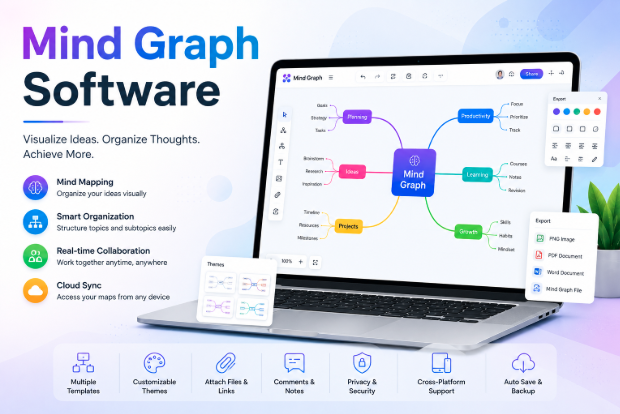
Mind Graph Software: Complete Guide to Features, Benefits, Uses, and Best Tools
June 15, 2026
Giglad Software Arranger Premium: Features, Benefits, Setup Guide and Complete Review
June 16, 2026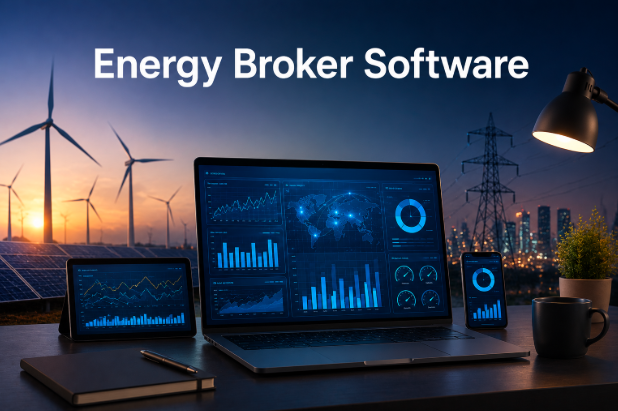
Introduction to Energy Broker Software
The energy industry has become highly competitive, creating greater demand for professional energy brokers. To manage customers and growing workloads efficiently, many brokers use energy broker software.
This software helps compare energy rates, generate quotes, track commissions, and manage contracts from one platform. It reduces reliance on spreadsheets and manual processes through automation. As a result, brokers can improve productivity, customer service, and business growth.
Understanding the Role of Energy Brokers
Energy brokers act as intermediaries between energy suppliers and customers. Their primary responsibility is to help clients find the most suitable energy plans based on usage requirements, budget considerations, and contract preferences.
Businesses often work with energy brokers because energy markets can be complicated. Suppliers offer different pricing structures, contract terms, and service options. Comparing these manually can take considerable time and effort.
Without dedicated software, brokers face numerous challenges. They may struggle to track leads, manage contracts, monitor renewals, and calculate commissions accurately. As client numbers increase, manual processes become harder to manage, increasing the risk of errors and missed opportunities.
What Is Energy Broker Software?
Energy broker software is a digital platform specifically designed for energy brokerage operations. It combines customer relationship management, pricing tools, contract management, reporting systems, and commission tracking into one centralized solution.
The primary goal of energy broker software is to automate repetitive tasks while providing brokers with better visibility into their business operations. Instead of switching between multiple applications, users can access all essential information from a single dashboard.
Unlike traditional CRM systems that focus mainly on customer management, energy broker software includes industry-specific features such as supplier integrations, quote generation tools, and energy contract management capabilities.
As a result, brokers can work more efficiently while delivering better service to clients.
How Energy Broker Software Works
Energy broker software follows a structured workflow that helps brokers manage every stage of the sales process.
Lead Capture and Customer Management
The process usually begins with lead collection. Prospective customers enter the system through website forms, referrals, marketing campaigns, or direct inquiries.
The software stores customer information in a centralized database. This allows brokers to access account details, communication history, and contract information whenever needed.
Energy Usage Data Collection
After a lead becomes a potential customer, brokers gather energy usage information. This data may include electricity consumption, gas usage, current supplier details, and existing contract terms.
The software organizes this information in a structured format, making future analysis easier and more accurate.
Supplier Rate Comparison
One of the most valuable functions of energy broker software is its ability to compare supplier rates quickly.
Instead of reviewing multiple supplier websites manually, brokers can access available rates through integrated systems. This saves significant time and helps identify the most competitive offers for customers.
Quote Generation
After identifying suitable energy plans, brokers can generate professional quotes within minutes.
Automated quote generation reduces administrative work while ensuring consistency across all customer proposals.
Contract Creation and E-Signatures
Many platforms allow brokers to create contracts directly within the software. Digital signature capabilities further simplify the process by allowing customers to sign agreements online.
This reduces paperwork and accelerates the sales cycle.
Commission Tracking and Reporting
Once contracts are completed, the software automatically tracks commissions earned from suppliers.
Brokers can monitor payments, identify outstanding commissions, and generate financial reports with minimal effort.
Contract Renewal Management
Energy contracts eventually expire, making renewals an important revenue source.
Energy broker software sends reminders and notifications before contract expiration dates, helping brokers retain customers and maintain recurring income.
Key Features of Energy Broker Software
Modern energy broker software includes a wide range of features designed specifically for the energy industry.
Customer Relationship Management (CRM)
CRM functionality helps brokers manage customer information, communication history, notes, and sales activities.
A well-organized CRM improves customer service while ensuring no important information is overlooked.
Energy Price Comparison Engine
The price comparison engine allows brokers to review supplier rates quickly and identify suitable options for clients.
This feature significantly reduces the time required to prepare energy proposals.
Automated Quoting System
Automated quote generation helps brokers create professional proposals without repetitive manual work.
The system ensures consistency and reduces the likelihood of calculation errors.
Contract Management Tools
Contract management features help brokers organize agreements, track expiration dates, and store important documents securely.
These tools simplify administration and improve compliance.
Commission Management
Commission tracking systems automatically calculate earnings from completed contracts.
This improves financial transparency and helps brokers monitor business performance more effectively.
Supplier Integration
Supplier integrations connect brokerage platforms directly to energy providers.
These integrations improve data accuracy while reducing manual entry requirements.
Reporting and Analytics Dashboard
Reporting dashboards provide insights into sales performance, customer retention, commission revenue, and operational efficiency.
Decision-makers can use these reports to identify growth opportunities and improve business strategies.
Document Storage and Compliance Tools
Many platforms include secure document storage systems.
These features help organizations maintain compliance while keeping important records easily accessible.
Benefits of Using Energy Broker Software
Energy broker software delivers numerous advantages for brokers of all sizes.
The most obvious benefit is increased efficiency. Automated workflows eliminate repetitive administrative tasks, allowing brokers to focus more on sales and customer relationships.
Another major benefit is improved accuracy. Manual data entry often leads to mistakes, while automated systems reduce human error and improve reliability.
Customer satisfaction also improves when brokers can respond quickly to inquiries, generate accurate quotes, and provide better communication throughout the sales process.
Financial management becomes easier because commission tracking systems provide clear visibility into revenue and earnings.
Finally, software scalability allows brokerages to handle larger client portfolios without significantly increasing administrative workloads.
Energy Broker Software for Different Business Types
Different organizations can benefit from energy broker software depending on their operational requirements.
- Independent Energy Brokers
- Independent brokers often require affordable solutions that combine CRM, quoting, and commission management capabilities.
- These tools help smaller businesses compete with larger firms while maintaining efficiency.
- Energy Consulting Firms
- Consulting firms typically manage larger customer portfolios and require advanced reporting features.
- Comprehensive software solutions support their analytical and advisory services.
- Energy Aggregators
- Aggregators combine demand from multiple customers to negotiate better pricing with suppliers.
- Energy broker software helps manage these complex relationships more effectively.
- Energy Suppliers
- Some suppliers use brokerage software to manage partner relationships and monitor sales performance.
- This improves collaboration and operational visibility.
- Multi-Agent Brokerages
- Large brokerages with multiple sales representatives require centralized systems that support collaboration and performance monitoring.
- Advanced software solutions provide management teams with greater oversight and control.
Essential Modules Every Energy Broker Should Have
The following table highlights the core modules commonly found in energy broker software.
| Module | Primary Purpose |
| CRM | Manage customer relationships |
| Quote Engine | Generate energy proposals |
| Contract Management | Organize agreements |
| Commission Tracking | Monitor broker earnings |
| Reporting Dashboard | Analyze business performance |
| Supplier Integration | Access supplier pricing |
| Renewal Management | Retain existing customers |
Together, these modules create a complete ecosystem that supports the entire brokerage workflow.
Energy Broker Software vs Traditional Spreadsheets
Many brokers initially manage operations using spreadsheets. While spreadsheets may work for small workloads, they become difficult to manage as businesses grow.
| Feature | Energy Broker Software | Spreadsheets |
| Automation | Extensive | Limited |
| Contract Tracking | Automated | Manual |
| Commission Management | Automated | Manual |
| Reporting | Real-Time | Time Intensive |
| Security | High | Moderate |
| Scalability | Excellent | Limited |
The comparison clearly demonstrates why many growing brokerages eventually transition to specialized software solutions.
Popular Energy Broker Software Solutions
Several software providers serve the energy brokerage industry.
UtilityClick PRO CRM
UtilityClick offers CRM, quoting, reporting, and customer management tools designed specifically for energy brokers.
Its industry-focused functionality makes it a popular choice among brokerage firms.
BrokerHub
BrokerHub provides contract management, commission tracking, and operational reporting capabilities.
The platform supports brokers seeking centralized workflow management.
Energy BuyFlow
Energy BuyFlow focuses on streamlining sales processes and improving customer onboarding experiences.
Its automation features help reduce administrative workloads.
The Broker Forge
The Broker Forge combines CRM functionality with sales automation tools.
Many brokers use it to improve productivity and manage customer relationships more effectively.
Sparkplug
Sparkplug offers energy sales management capabilities designed to support brokerage growth and operational efficiency.
How to Choose the Best Energy Broker Software
Selecting the right platform requires careful evaluation of business needs.
Evaluate Business Size
Smaller brokerages may prefer affordable systems with core functionality, while larger organizations often require advanced automation and reporting capabilities.
Check Supplier Integrations
Strong supplier integrations improve efficiency and reduce manual work.
Businesses should verify compatibility with their preferred energy providers.
Analyze Reporting Capabilities
Detailed reporting helps managers track performance and identify areas for improvement.
Advanced analytics can provide valuable strategic insights.
Review Commission Features
Commission tracking is a critical component of brokerage operations.
Organizations should ensure the software offers accurate and transparent commission management tools.
Consider Scalability
The chosen platform should support future growth without requiring frequent system changes.
Compare Pricing Models
Software pricing varies significantly among providers.
Businesses should compare subscription costs, implementation fees, and long-term value before making a decision.
Common Challenges and Solutions
Data Migration Issues
Migrating information from legacy systems can be complex.
Proper planning and data verification procedures help minimize migration problems.
User Adoption Problems
Employees may initially resist new technology.
Comprehensive training programs improve user adoption and system utilization.
Integration Difficulties
Some businesses encounter challenges when connecting software with external systems.
Working closely with vendors can simplify integration processes.
Regulatory Compliance Concerns
Energy markets often involve regulatory requirements.
Choosing software with built-in compliance tools can reduce risks and improve governance.
Best Practices for Implementing Energy Broker Software
Successful implementation begins with clear planning and defined objectives.
Organizations should establish standardized processes before introducing new software. This ensures consistent workflows and reduces confusion during deployment.
Employee training should also be prioritized. Well-trained users are more likely to adopt the platform successfully and utilize its full capabilities.
Regular performance reviews help identify areas for improvement and ensure the software continues delivering value over time.
Businesses should also maintain accurate data and perform routine audits to maximize system effectiveness.
Future Trends in Energy Broker Software
Technology continues to reshape the energy brokerage industry.
Artificial Intelligence and Automation
AI-powered tools are expected to automate more administrative tasks while improving decision-making capabilities.
Predictive Analytics
Predictive analytics can help brokers forecast customer behavior, contract renewals, and sales opportunities.
Advanced Commission Forecasting
Future systems will likely provide more accurate revenue forecasting and financial planning tools.
Cloud-Based Platforms
Cloud technology offers greater flexibility, accessibility, and scalability for brokerage firms.
API-Driven Supplier Integrations
Advanced integrations will enable faster data exchange and improved operational efficiency across the energy ecosystem.
Frequently Asked Questions (FAQs)
What is energy broker software?
Energy broker software is a specialized platform that helps brokers manage customers, compare supplier rates, generate quotes, track commissions, and oversee contracts from a centralized system.
How much does energy broker software cost?
Pricing varies depending on features, user requirements, and software providers. Some platforms offer subscription-based plans, while others provide customized pricing.
Can small brokerages use energy broker software?
Yes, many software providers offer solutions specifically designed for small and medium-sized brokerages. These systems help smaller businesses improve efficiency and compete effectively.
Conclusion
Energy broker software helps brokers manage customers, create quotes, track commissions, and streamline daily operations. It reduces manual work while improving accuracy and efficiency.
As the energy industry becomes more competitive, the right software can support business growth and better customer service. Investing in a reliable platform helps brokers stay productive and achieve long-term success.
Related Articles
Mind Graph Software: Complete Guide to Features, Benefits, Uses, and Best Tools
REsimpli vs FreedomSoft Differences Real Estate Software – Complete 2026 Guide
Contract Management Software News: Latest Trends, AI Innovations & Industry Updates
Winobit3.4 Software Error: Causes, Fixes, Troubleshooting & Prevention Guide


