

Financial Recovery Technologies Software Engineer:
July 4, 2026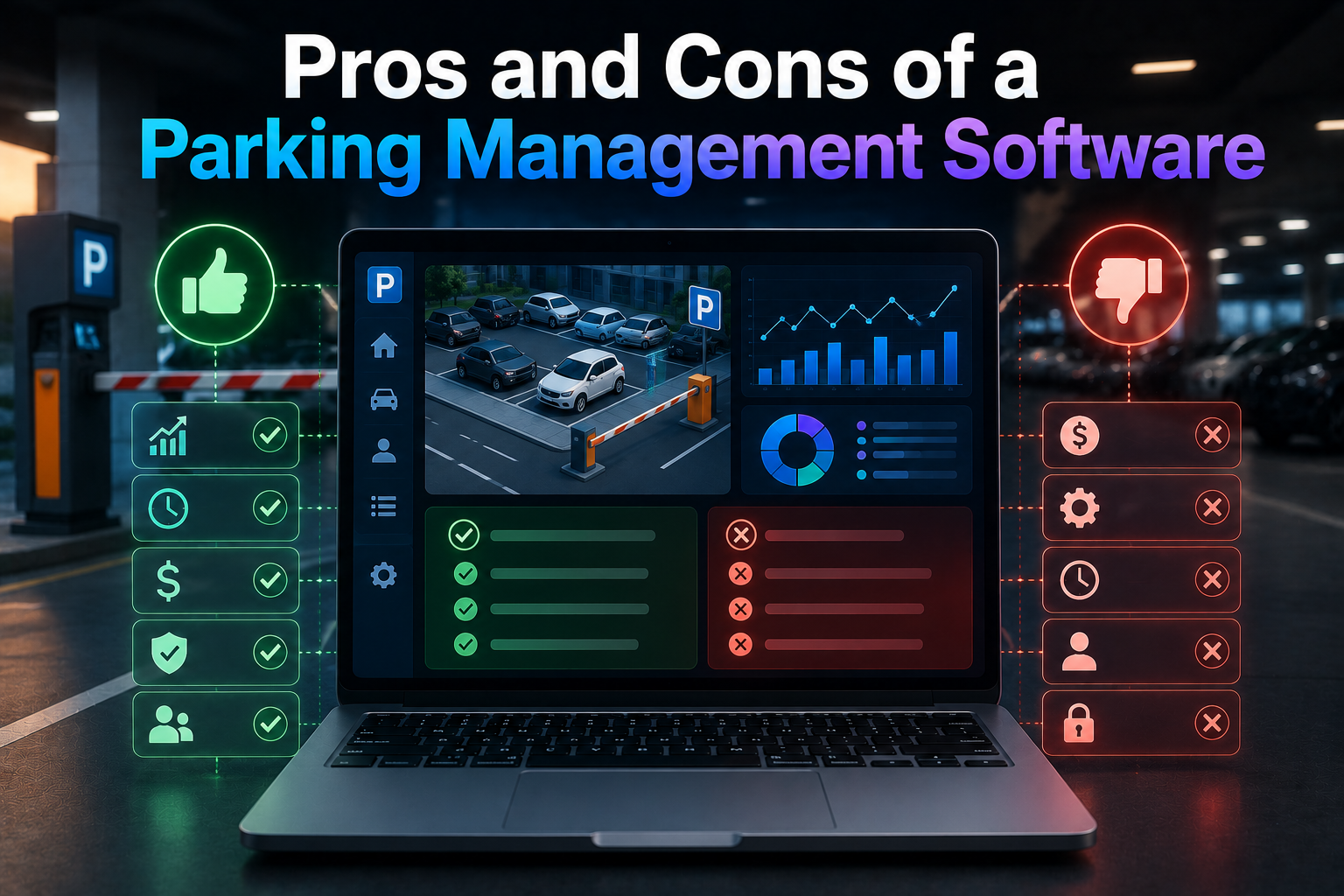
Pros and Cons of a Parking Management Software: Complete Guide 2026
July 5, 2026
Managing housing for a large workforce is not the same as running a regular residential property. Companies in construction, mining, oil and gas, agriculture, and hospitality often house hundreds or even thousands of workers at once, and doing this manually through spreadsheets or paper files quickly becomes unmanageable.
This is exactly why workforce housing management software features have become essential for operators who want accuracy, compliance, and efficiency in one place. This guide walks through every major feature set, explains why it matters, and helps you understand what to look for before choosing a platform.
What Is Workforce Housing Management Software
Workforce housing management software is a digital system built specifically to organize, track, and manage temporary or long-term housing for large groups of employees. Below, we break down what it actually does and who typically relies on it.
Definition and Purpose
At its core, this software acts as a central hub that connects room availability, worker records, billing, and compliance documentation into a single platform. Instead of juggling separate files for each function, managers can see everything from one dashboard. This reduces human error and saves significant administrative time, especially during peak staffing periods.
Industries That Rely On It
Industries such as construction, mining, oil and gas exploration, agriculture, and large-scale hospitality operations depend heavily on this type of software. These sectors often bring in seasonal or contract workers who need housing arranged quickly and tracked accurately. Without a dedicated system, coordinating room assignments and worker documentation across multiple sites becomes extremely difficult.
Core Workforce Housing Management Software Features
This is the heart of any platform, and understanding each feature helps you evaluate whether a system fits your operational needs. Below, we explain the nine most important feature categories in detail.
Occupancy and Room Management
This feature gives managers real-time visibility into which beds or rooms are occupied, vacant, or under maintenance. It allows quick assignment and reassignment of workers as contracts start or end, preventing double-booking or wasted capacity. Occupancy forecasting also helps operations teams plan ahead for upcoming staffing surges.
Worker and Resident Records
Every worker’s profile, including identification documents, contract dates, employer details, and housing history, is stored digitally and securely. This eliminates the need for physical paperwork and makes it easy to pull up a worker’s full housing timeline instantly. Visitor logs and access history are also tracked here for accountability.
Facility and Asset Management
This function covers maintenance requests, preventive maintenance schedules, and inventory of furniture or equipment within each unit. When something breaks, workers or staff can log an issue directly, and the system routes it to the right maintenance team. This keeps living conditions safe and reduces long repair delays.
Billing and Payroll Integration
Housing costs, utility charges, and rent deductions are calculated automatically and can sync directly with payroll systems. This is particularly useful when employers deduct lodging costs from wages, since manual calculations are prone to costly errors. Employer invoicing for third-party housing arrangements is also streamlined through this feature.
Compliance and Safety Tools
Housing operators must follow strict health, safety, and labor regulations, and this feature helps track inspections, fire safety checks, and incident reports in one place. Documentation is stored in a format that is easy to retrieve during government audits. This significantly lowers the risk of fines or legal complications.
Communication and Self-Service Portals
Mass notification tools allow management to send emergency alerts or general announcements to all residents instantly. Many platforms also include multilingual support, which is critical for diverse workforces. Self-service portals let workers view their room details, submit maintenance requests, or raise complaints without needing to visit an office.
Reporting and Analytics
Detailed dashboards show occupancy trends, turnover rates, and cost-per-bed calculations, giving management the data needed to make informed decisions. These reports can highlight inefficiencies, such as underused housing blocks or recurring maintenance issues. Over time, this data becomes valuable for budgeting and long-term planning.
Security and Access Control
Key card or biometric access systems restrict entry to authorized residents only, improving overall site security. CCTV integration allows monitoring of common areas without requiring constant physical patrols. Restricted zone settings ensure that sensitive areas remain accessible only to specific personnel.
System Integrations
Most platforms are designed to connect with existing HR, payroll, and accounting software rather than replacing them entirely. This means data flows automatically between systems instead of being entered twice. Some solutions also integrate with government labor portals for simplified regulatory reporting.
Feature Comparison Table
The table below summarizes each feature category and its primary business impact for quick reference.
| Feature Category | Primary Function | Business Impact |
| Occupancy Management | Track room and bed availability | Reduces vacancy loss |
| Worker Records | Store digital worker profiles | Faster onboarding and audits |
| Facility Management | Handle maintenance and assets | Safer, well-maintained housing |
| Billing Integration | Automate rent and payroll deductions | Fewer billing disputes |
| Compliance Tools | Track safety and legal documentation | Lower regulatory risk |
| Communication Tools | Send alerts, enable self-service | Higher worker satisfaction |
| Reporting and Analytics | Generate occupancy and cost data | Better decision-making |
| Security and Access | Control entry and monitor premises | Improved site safety |
| System Integrations | Connect with HR and accounting tools | Reduced duplicate data entry |
Key Benefits of Using This Software
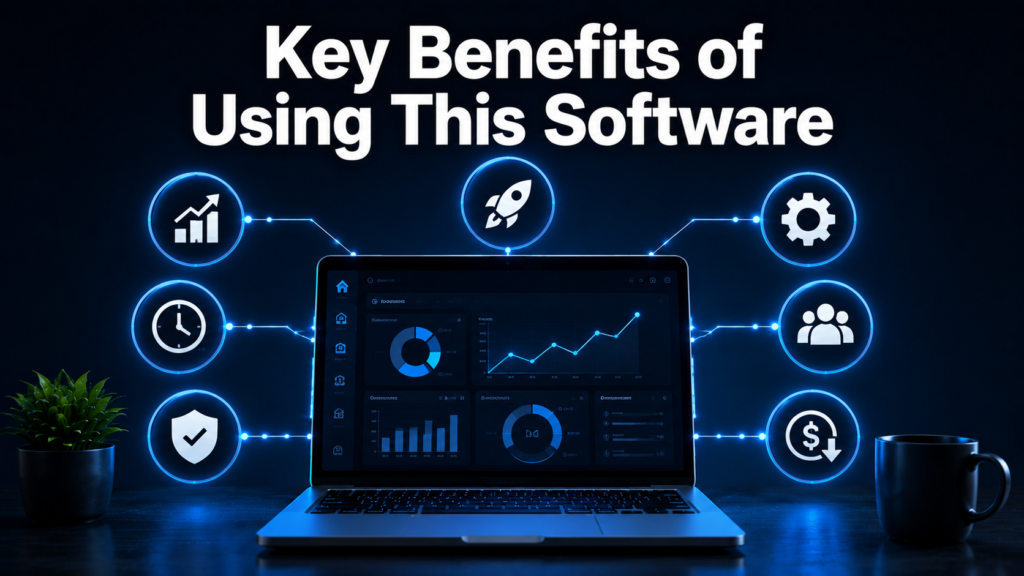
Beyond the individual features, adopting this type of system delivers measurable advantages across the organization. Here are the three most significant benefits worth highlighting.
Cost Efficiency
Automated billing and occupancy tracking reduce wasted spending on empty beds or incorrect deductions. Over time, these small savings add up significantly, especially for operations managing hundreds of housing units. Accurate data also helps management negotiate better contracts with housing providers.
Regulatory Compliance
Having all safety inspections, incident reports, and legal documents stored digitally makes audits far less stressful. Operators can respond to regulatory requests quickly instead of searching through paper files. This reduces the likelihood of penalties tied to missing or outdated documentation.
Better Worker Experience
Workers who can easily view their housing details, request maintenance, or receive timely announcements tend to feel more supported. This directly influences retention, particularly in industries where workforce turnover is already a challenge. A smooth housing experience often reflects positively on the employer as a whole.
How to Choose the Right Workforce Housing Software
Not every platform offers the same depth of features, so evaluating your specific needs before purchasing is essential. The following considerations will help narrow down the right choice.
Evaluate Your Operational Needs
Start by identifying which features matter most to your operation, such as multi-site management or large-scale billing automation. A small operator may not need the same complexity as a company managing thousands of beds across several regions. Matching software capability to actual needs prevents overspending on unnecessary tools.
Check Integration Capabilities
Confirm that the software can connect smoothly with your existing HR, payroll, and accounting systems. Poor integration often leads to duplicate work and data mismatches between platforms. Ask vendors directly about supported integrations before signing any contract.
Compare Vendor Support and Pricing
Look closely at customer support availability, training resources, and pricing structure, since hidden costs can add up quickly. Cloud-based solutions typically offer more flexibility and lower upfront costs compared to on-premise systems. Requesting a demo or trial period is a practical way to test real-world usability.
Competitor Landscape Overview
The workforce housing software market includes a mix of established property management platforms that have added workforce-specific modules, along with newer specialized providers built exclusively for labor housing and camp management. Established players often offer broader integration ecosystems but may lack industry-specific compliance tools,
while specialized vendors tend to focus heavily on occupancy tracking and safety documentation tailored to construction or resource sectors. When comparing options, it is worth checking whether a vendor was originally built for hotels or apartments and later adapted for workforce use, since this can affect how well it handles large-scale, high-turnover housing operations.
FAQs
What industries use workforce housing software?
Construction, mining, oil and gas, agriculture, and large hospitality operations are the most common users of this software.
Is this different from hotel or property management software?
Yes, it is built specifically for large-scale, high-turnover worker housing rather than short-term guest stays.
Can it integrate with existing HR systems?
Most modern platforms are designed to sync directly with HR, payroll, and accounting tools already in use.
How much does it typically cost?
Pricing varies widely based on the number of beds managed and whether the solution is cloud-based or on-premise.
Conclusion
Workforce housing management software features exist to solve real operational problems, from tracking room occupancy to staying compliant with safety regulations. Choosing the right platform depends on matching these features to your industry, workforce size, and existing systems. A well-implemented solution ultimately saves time, reduces costs, and improves the daily experience for every worker under your care.
Related Articles
Droven.io AI Automation Tools: Complete 2026 Guide
How Often Should Bixiros.5a8 Software Be Updated? Complete Guide
Artisul SP1603 Software Download: Complete Driver Installation, Setup, Features & Troubleshooting Guide
Standard Assessment Procedure Software: Complete Guide to Features, Benefits, and Uses
Shotscribus Software Upgrade: Complete Guide to Features, Benefits, and Installation


