
Zenvekeypo4 Software Explained: What It Is, What’s Verified, and What Isn’t
September 3, 2026
Software Scrubber: A Complete and Easy Guide
September 3, 2026
Rational Software Architect, commonly known as RSA, is an IBM tool built for architects and developers who need to design and manage software systems visually. Many people search for what is Rational Software Architect because it plays a major role in how large organizations plan, model, and build complex applications.
This tool is based on the Eclipse platform and combines UML modeling with code generation features. It helps teams turn design ideas into structured, working software architecture.
Instead of writing everything from scratch, developers can visualize the entire system before coding actually begins. This guide explains RSA in simple language, covering its features, benefits, and how it compares with other modeling tools.
Understanding Rational Software Architect
Before exploring features in depth, it helps to understand where RSA came from and what problem it was originally built to solve. The subsections below explain its background and core purpose in more detail.
Definition and Core Purpose
At its core, RSA is a modeling and design tool that lets teams create visual blueprints of software before writing actual code. It uses UML, a standard modeling language, to represent classes, processes, and system behavior.
This approach reduces confusion between teams and keeps design and development aligned throughout a project.
Brief History and Evolution
RSA was introduced by IBM as part of its Rational software family, which focused on tools for structured application development.
Over the years, it evolved to support newer versions of UML and integrate more closely with Eclipse-based development environments. Today it remains associated with enterprise-level software planning, even as newer modeling tools have entered the market.
Key Features of RSA
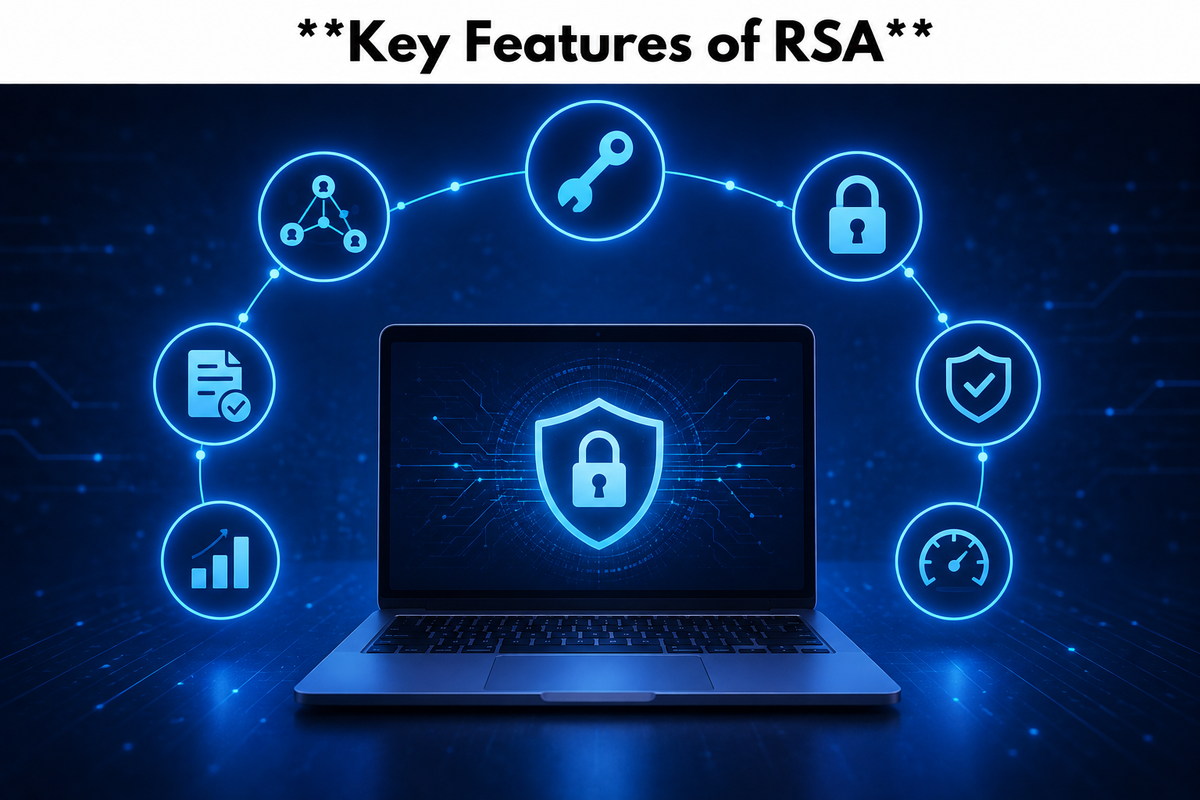
RSA offers a set of features designed to simplify complex software planning. The following subsections break down its most important capabilities.
UML Modeling Support
RSA supports multiple types of UML diagrams, including class, sequence, use case, and activity diagrams. These diagrams help teams visually represent how different parts of a system interact with each other.
This visual approach makes it easier to spot design issues early, before actual development work begins.
Model-Driven Development
Model-driven development means that the software design itself becomes the foundation for generating code. In RSA, architects can build models first and then use those models to guide implementation later. This method keeps documentation and actual code closely connected throughout the entire project lifecycle.
Code Generation and Round-Trip Engineering
One of the standout capabilities of RSA is round-trip engineering, which allows code and models to stay synchronized. If a developer changes the code, the model can reflect that update, and vice versa. This reduces the common problem of outdated documentation that no longer matches the real system.
Architecture and Platform Capabilities
Beyond modeling, RSA also supports architectural planning and works with several programming environments. These subsections cover its platform-level strengths in more detail.
Enterprise Architecture Design
RSA is often used for enterprise-level architecture planning, especially in organizations managing large or interconnected systems. It supports service-oriented architecture design, which helps break systems into smaller, reusable components. This makes it useful for companies that need scalable and well-organized software structures.
Programming Language Support
The tool supports Java and C++ development directly, along with basic web application modeling. Because it runs on the Eclipse platform, developers already familiar with that environment can adapt to RSA without a steep learning curve. This flexibility makes it suitable for teams working across different technology stacks.
Team Collaboration and Requirements Management
Software architecture rarely involves just one person, which is why RSA includes collaboration and requirement-tracking tools. The subsections below explain these supporting features.
Integration with Rational Team Concert
RSA connects with Rational Team Concert, part of IBM’s Jazz platform, to support multiple people working on the same models.
This integration allows version tracking and reduces conflicts when several team members edit related components. It makes collaborative architecture work more organized and transparent overall.
Requirements Traceability
Through integration with tools like Rational DOORS or RequisitePro, RSA can link design elements back to the original project requirements.
This traceability helps teams confirm that every requirement is actually addressed in the final design. It also simplifies audits and reviews in regulated or large-scale enterprise projects.
Advantages and Limitations
Like any enterprise tool, RSA comes with clear strengths as well as a few trade-offs. Understanding both sides helps in deciding if it fits a particular team’s needs.
Key Advantages
RSA improves consistency across large projects by keeping design and code closely linked together. It also enhances communication among architects, developers, and business analysts by giving everyone a shared visual reference point. Some of the most noticeable advantages teams report include:
- Stronger alignment between design documents and actual code
- Fewer miscommunications between technical and business teams
- Easier onboarding for new members through visual models
- Better long-term maintainability of large systems
Challenges to Consider
New users often face a learning curve, since UML modeling and Eclipse-based tools take time to master properly. Licensing costs can also be a concern for smaller teams or startups working with limited budgets. Additionally, RSA may feel heavier than lightweight modeling tools when used for smaller, simpler projects.
RSA vs Other Modeling Tools
Several tools compete with RSA in the UML and architecture modeling space. This section briefly compares it with two commonly used alternatives.
RSA vs Enterprise Architect
Enterprise Architect, made by Sparx Systems, is generally considered more affordable and lightweight compared to RSA. It offers similar UML modeling features but with a simpler interface aimed at smaller teams. RSA, on the other hand, is better suited for large enterprises already using IBM’s broader Rational toolset.
RSA vs Visual Paradigm
Visual Paradigm is known for its user-friendly interface and lower cost, making it popular among smaller development teams. It supports UML and basic model-driven features but lacks some of RSA’s deeper enterprise integrations. Teams already relying on IBM’s Jazz platform or DOORS often find RSA a more natural fit.
| Feature | Rational Software Architect | Enterprise Architect | Visual Paradigm |
| UML Support | Yes | Yes | Yes |
| Enterprise Integration | Strong, tied to IBM Rational suite | Moderate | Limited |
| Learning Curve | Steep | Moderate | Easy |
| Typical Cost | High | Moderate | Low |
| Best Suited For | Large enterprises | Mid-size teams | Small teams and startups |
Who Should Use RSA
RSA isn’t necessarily the right choice for every team or project size. This section outlines who benefits most from it and how to get started effectively.
Ideal Users
RSA works best for software architects, senior developers, and business analysts working within large organizations.
It’s particularly useful for teams already invested in IBM’s Rational or Jazz ecosystem of tools. Smaller teams handling simple projects may find lighter modeling tools more practical for their needs.
Best Practices for Getting Started
New users should begin with small, focused models rather than attempting to map an entire system at once. Following consistent naming conventions across diagrams keeps large projects easier to manage over time. A few practical tips that help beginners adopt RSA smoothly include:
- Start with a single module before modeling the full system
- Keep naming conventions consistent across every diagram
- Sync code and models regularly to avoid documentation drift
- Spend time learning Eclipse basics before diving into RSA itself
Conclusion
In summary, RSA remains a solid choice for teams that need structured, model-driven software planning within large or IBM-based environments.
Its UML modeling, round-trip engineering, and requirements traceability make it powerful for enterprise architecture, even though it comes with a learning curve and a higher cost. For smaller teams, lighter alternatives like Visual Paradigm may suit better, but for enterprise-scale work, RSA continues to offer strong practical value.
FAQs
Is Rational Software Architect free to use?
No, RSA is a licensed IBM product and generally requires a paid subscription or license for business use.
Does RSA support UML 2.x?
Yes, RSA supports UML 2.x standards, including class, sequence, use case, and activity diagrams among others.
Can RSA generate code automatically?
Yes, through model-driven development and round-trip engineering, RSA can generate code from models and keep them synchronized.
Is RSA still actively used today?
It remains in use, particularly within enterprises already using IBM’s Rational and Jazz ecosystem, though newer modeling tools have also entered the market.
Related Articles
Freight Broker Software: A Complete Guide
Hatch Embroidery Software: The Complete Guide for Beginners and Hobbyists
EAM Software: The Complete Guide to Enterprise Asset Management
Embroidery Software: The Complete Guide for Beginners and Professionals


