

Error 207 AMD Software: Complete Guide to Fix the Graphics Device Detection Issue
July 23, 2026
HOA Management Software: The Complete Guide for Communities
July 23, 2026
Every growing company depends on a strong system that brings in visitors, turns them into leads, and finally converts them into paying customers. The Follett Software inbound marketing pipeline conversion SDR workflow is a perfect example of how this system works in the real world.
It combines content marketing, lead scoring, and sales development representative outreach into one smooth process. In this article, we will break down each stage of this workflow in a simple and detailed manner so that marketers, sales teams, and business owners can understand and apply it to their own companies.
Introduction
The introduction section gives a basic understanding of why inbound marketing and SDR workflows matter so much in today’s competitive business environment. It explains what pipeline conversion actually means and sets the stage for the entire guide.
What is an Inbound Marketing Pipeline?
An inbound marketing pipeline is basically a structured path that a potential customer travels through, starting from the moment they discover a brand to the moment they make a purchase decision.
Instead of chasing customers with cold calls, inbound marketing focuses on attracting people naturally through valuable content, helpful resources, and engaging experiences. The Follett Software inbound marketing pipeline conversion SDR workflow relies heavily on this approach because it builds trust before any direct sales conversation begins.
Why SDR Workflow Matters
The SDR, or Sales Development Representative, plays a critical role because they act as the bridge between marketing and sales. Without a proper SDR workflow, even the best marketing leads can go cold or get lost.
A well-designed workflow ensures that every lead receives timely follow-up, personalized communication, and a clear path toward becoming a paying customer, which ultimately protects the company’s marketing investment.
Overview of the Education Technology Market
Companies operating in the education technology space, such as those offering school management software, library systems, or classroom tools, deal with a unique buyer group that includes teachers, school administrators, and IT staff.
This market requires patience and education-focused messaging because decision-making often involves multiple stakeholders and longer sales cycles compared to other industries.
Purpose and Scope of This Guide
This guide aims to walk readers through every stage of a modern inbound marketing pipeline paired with an SDR conversion workflow. It is written for marketing managers, sales leaders, and business owners who want a practical understanding of how leads move from first contact to closed deal, without getting lost in overly technical jargon.
Understanding the Inbound Marketing Funnel
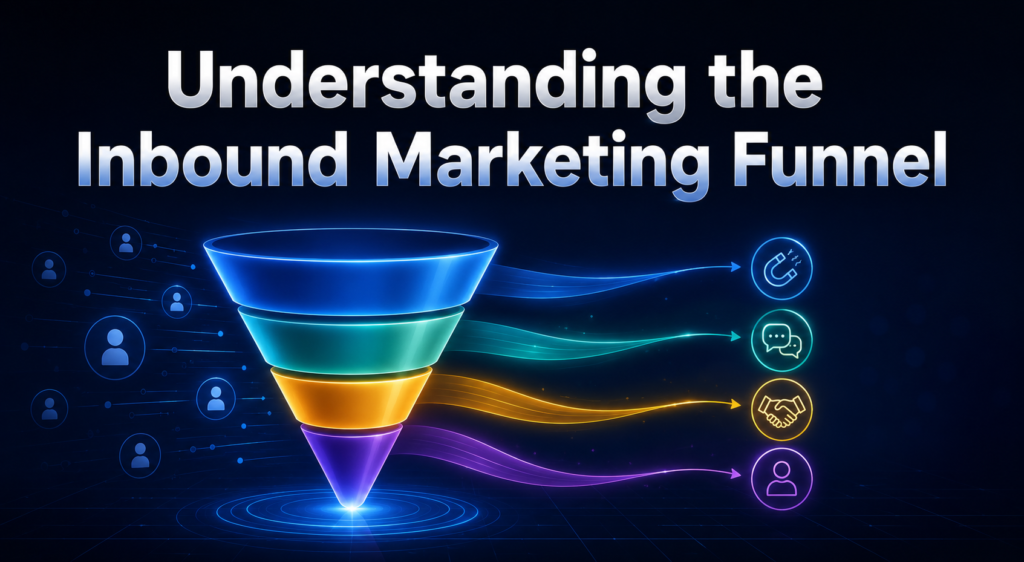
The inbound marketing funnel represents the customer journey in stages, showing how someone moves from being a stranger to becoming a loyal customer. Each stage requires different content and messaging strategies to keep the prospect engaged.
Awareness Stage
At the awareness stage, potential customers are just discovering that they have a problem or a need. They might search online for general information, read blog posts, or come across social media content. The goal here is simply to appear in front of them with helpful, non-salesy information that positions the brand as knowledgeable and trustworthy.
Interest Stage
Once a visitor shows interest, they begin engaging more deeply, perhaps signing up for a newsletter or downloading a resource. This is where email addresses and basic contact details get collected, allowing the marketing team to begin a longer-term relationship through regular, valuable communication.
Consideration Stage
During the consideration stage, prospects are actively comparing different solutions and providers. They may look at case studies, comparison guides, or product demonstrations. Content at this point should highlight unique benefits and real-world results to help the buyer feel confident in moving forward.
Decision Stage
The decision stage is where a lead becomes sales-ready. They have gathered enough information and are now prepared to speak with a sales representative or request a formal proposal. This is the critical handoff point where marketing efforts transition into direct sales conversations.
Mapping Funnel Stages to Buyer Personas
Different buyer personas, such as classroom teachers, school administrators, or IT decision-makers, move through the funnel at different speeds and with different concerns. Understanding these personas allows marketing teams to tailor content specifically, making the entire pipeline more effective and relevant to each audience segment.
Lead Generation Channels
Lead generation channels are the various ways a company attracts potential customers to its pipeline. Choosing the right mix of channels ensures a steady and diverse flow of quality leads.
Content Marketing
Content marketing involves creating blogs, whitepapers, and case studies that answer common questions and challenges faced by the target audience. This type of content builds authority over time and continues to attract organic traffic long after it is published.
SEO and Organic Search Strategy
Search engine optimization ensures that a company’s content appears when potential customers search for relevant terms online. A strong SEO strategy, built around keywords that reflect real buyer intent, can significantly reduce dependency on paid advertising over time.
Email Marketing and Newsletters
Email remains one of the most direct and cost-effective ways to nurture relationships with leads. Regular newsletters keep the brand top of mind and provide an opportunity to share updates, success stories, and educational content consistently.
Social Media and Paid Campaigns
Social platforms allow companies to reach wider audiences and engage with them through comments, shares, and direct messages. Paid campaigns can accelerate this process by targeting specific demographics that match the ideal customer profile.
Webinars and Educational Events
Hosting webinars or educational events allows a company to demonstrate expertise while directly interacting with potential customers. These events often generate highly qualified leads because attendees have already shown strong interest by dedicating their time.
Partnerships and Referral Programs
Building partnerships with complementary businesses or encouraging referrals from satisfied customers can open new lead sources that are often more trusting and easier to convert, since they come with an implicit recommendation.
Lead Scoring and Qualification
Lead scoring and qualification help marketing and sales teams prioritize which leads deserve immediate attention versus which ones need more nurturing before they are ready to buy.
Marketing Qualified Lead Criteria
A Marketing Qualified Lead, commonly known as an MQL, is someone who has shown enough interest through actions like downloading content or attending a webinar, indicating they might become a customer, but they are not yet ready for direct sales contact.
Sales Qualified Lead Criteria
A Sales Qualified Lead, or SQL, has been further vetted and shows clear buying intent, often through requesting a demo or directly asking about pricing. This is the point where the SDR team typically steps in for personal outreach.
Lead Scoring Models
Lead scoring models assign point values to different actions and characteristics, such as job title, company size, or website behavior. The table below shows a simplified example of how such scoring might work in practice.
| Lead Action or Attribute | Points Assigned |
| Downloaded a whitepaper | 5 |
| Attended a webinar | 10 |
| Visited pricing page | 15 |
| Requested a demo | 25 |
| Job title matches decision-maker | 20 |
Tools Used for Lead Scoring
Modern marketing automation platforms and CRM systems handle lead scoring automatically by tracking behavior and applying pre-set rules. These tools save significant time and ensure that no promising lead slips through the cracks unnoticed.
The SDR Workflow Explained
This section dives into the actual day-to-day responsibilities of an SDR and how they systematically move leads closer to becoming customers within the Follett Software inbound marketing pipeline conversion SDR workflow.
Role of an SDR in the Sales Process
The SDR’s primary responsibility is to qualify leads further and set up meetings for Account Executives, who then handle the deeper sales conversation and closing process. They act as the first human touchpoint after a lead shows genuine buying interest.
Lead Handoff Process
The handoff from marketing to sales must be smooth and well-documented. This usually involves the marketing team passing over all relevant lead information, including their engagement history, so the SDR can approach the conversation with proper context rather than starting from zero.
Outreach Sequences
SDRs typically follow structured outreach sequences that combine phone calls, personalized emails, and social platform messages like LinkedIn. These sequences are spaced out over several days or weeks to maintain consistent contact without overwhelming the prospect.
Discovery Call Framework
During a discovery call, the SDR asks specific questions to understand the prospect’s current challenges, budget considerations, and decision-making timeline. This conversation helps determine whether the lead truly fits the ideal customer profile before moving forward.
Objection Handling Basics
Prospects often raise concerns about pricing, implementation time, or comparison with competitors. A skilled SDR listens carefully and addresses these objections with honest, helpful responses rather than pushing too hard, which builds long-term trust.
Booking Meetings for Account Executives
Once a lead is properly qualified, the SDR’s final task is scheduling a meeting with an Account Executive. This step marks the successful completion of the SDR’s portion of the workflow and the beginning of the deeper sales negotiation phase.
Pipeline Conversion Strategy
Pipeline conversion strategy focuses on maximizing the percentage of leads that move successfully from one stage to the next, ultimately increasing overall revenue without necessarily increasing lead volume.
- Conversion Rate Benchmarks by Stage
- Understanding average conversion rates at each funnel stage helps teams identify where leads are getting stuck. If a particular stage shows unusually low conversion, it often signals a need to revisit messaging or follow-up timing at that specific point.
- Nurture Campaigns for Slow-Moving Leads
- Not every lead is ready to buy immediately, and that is completely normal. Nurture campaigns, delivered through automated email sequences, keep these slower leads engaged with relevant content until they are ready to take the next step.
- Re-engagement Strategies for Cold Leads
- Leads that have gone quiet for an extended period can often be revived through re-engagement campaigns, such as special offers, new product announcements, or simply checking in with helpful information relevant to their earlier interests.
- Personalization Techniques
- Personalizing outreach based on a lead’s specific behavior, industry, or role dramatically increases response rates. Simple touches like referencing a previously downloaded resource or a specific pain point can make communication feel far more genuine.
Tools and Technology Stack
The right combination of tools makes the entire inbound marketing and SDR workflow far more efficient and easier to manage at scale.
CRM Systems
Customer Relationship Management systems store all lead and customer information in one central place, allowing both marketing and sales teams to track interactions and progress without confusion or duplicated efforts.
Marketing Automation Platforms
These platforms handle repetitive tasks such as sending scheduled emails, scoring leads, and triggering alerts when a lead reaches a certain threshold, freeing up the marketing team to focus on strategy rather than manual work.
Sales Engagement Tools
Sales engagement platforms help SDRs manage their outreach sequences, track email opens, and log call notes efficiently, ensuring that every interaction is recorded and nothing important is forgotten.
Analytics and Reporting Dashboards
Dashboards provide a clear visual overview of pipeline health, showing exactly how many leads exist at each stage and how they are trending over time, which supports better decision-making across both teams.
Metrics and KPIs to Track
Tracking the right metrics ensures that teams can measure success accurately and make informed adjustments to their strategy whenever needed.
Lead Volume and Source Tracking
Knowing exactly how many leads come from each channel helps teams understand which marketing efforts are delivering the best return, allowing budget and resources to be allocated more wisely.
Conversion Rates at Each Funnel Stage
Measuring conversion rates between stages reveals exactly where prospects are dropping off, giving teams a clear target area to improve messaging, timing, or overall approach.
SDR Activity Metrics
Tracking the number of calls made, emails sent, and meetings booked by each SDR provides visibility into individual performance and helps identify coaching opportunities where needed.
Pipeline Velocity and Revenue Impact
Pipeline velocity measures how quickly leads move through the entire funnel, directly impacting how fast revenue is generated. A faster velocity generally indicates a healthier and more efficient sales process overall.
Common Challenges and Solutions
Every workflow faces obstacles, and understanding common challenges in advance helps teams prepare better solutions ahead of time.
Misalignment Between Marketing and Sales
One of the most frequent issues is a disconnect between what marketing considers a qualified lead and what sales actually wants to pursue. Regular communication and shared definitions of lead quality can resolve this friction significantly.
Lead Quality vs Lead Quantity Issues
Focusing too much on generating a high volume of leads without considering their quality often wastes the SDR team’s time and energy. Shifting focus toward more targeted, higher-quality leads usually produces better long-term results.
Follow-Up Timing Problems
Delayed follow-up is one of the biggest reasons leads go cold. Setting clear internal expectations for response times, ideally within minutes or hours rather than days, dramatically improves conversion outcomes.
Best Practices to Overcome These Challenges
Establishing shared goals, regular feedback loops between marketing and sales, and consistent use of the same tools and definitions across both teams helps prevent most common workflow breakdowns before they even start.
Case Study: A Practical Example
Imagine a school administrator visits a website after searching for classroom management solutions and downloads a helpful guide. Over the following weeks, they receive relevant emails, eventually visit the pricing page, and request a demo.
At this point, an SDR reaches out, understands their specific needs during a discovery call, and books a meeting with an Account Executive who successfully closes the deal. This simple example shows exactly how the entire pipeline works together in a real-world scenario, moving a curious visitor smoothly into a satisfied customer.
Competitor Analysis Snapshot
Many companies in the education technology and broader SaaS space, such as PowerSchool, Blackbaud, and other classroom management providers, use fairly similar inbound and SDR strategies, though they often differ in the depth of personalization and speed of follow-up.
Companies that respond faster and personalize outreach more effectively consistently outperform competitors who rely on generic, one-size-fits-all messaging.
Conclusion
The Follett Software inbound marketing pipeline conversion SDR workflow demonstrates how a thoughtful combination of content, lead scoring, and personal outreach can turn strangers into loyal customers.
By focusing on each funnel stage carefully and empowering SDRs with the right tools and training, companies of any size can build a more predictable and scalable path to revenue growth.
FAQs
What is the difference between MQL and SQL?
An MQL shows initial interest through content engagement, while an SQL has demonstrated clear buying intent and is ready for direct sales conversation.
How long should an SDR nurture a lead before disqualifying it?
Most teams allow several weeks to a few months of nurturing, depending on the industry and typical sales cycle length, before marking a lead as disqualified.
What tools are essential for a small SDR team?
A basic CRM combined with a simple sales engagement tool is usually enough for small teams to manage outreach effectively without unnecessary complexity.


