

Free Scheduling Software for Plumbers: Complete Guide to Choosing the Right Tool
July 22, 2026
MCHOSE Web Software: Complete Setup and Feature Guide
July 23, 2026
Introduction
Octopus Deploy has become one of the most talked-about names in the world of software deployment automation. Businesses of every size use it to push updates, manage releases, and keep their systems running smoothly without manual errors. But whenever a tool gets this popular, a natural question comes up among IT teams, developers, and even non-technical business owners: is Octopus software safe enough to trust with sensitive systems and data.
This concern is completely valid. Deployment tools sit at a very sensitive point in the software pipeline. They often have access to production servers, private repositories, and confidential configuration data. If such a tool has weak security, the damage can spread across an entire organization. That is exactly why understanding the safety of Octopus software is not just a technical question but a business-critical one.
What Octopus Software Actually Does
Octopus is mainly known as a continuous delivery platform that automates the process of releasing software. It removes the need for manual deployment steps, which reduces human error significantly. Understanding what it does helps explain why safety matters so much here.
Continuous Delivery Made Simple
Continuous delivery means that once code passes testing, it can be released to live servers automatically or with minimal manual steps. Octopus handles this process by managing versions, environments, and rollout stages. This automation saves time but also means the tool needs deep access to critical systems.
Who Typically Uses Octopus
Octopus is used by small development teams as well as large enterprises managing complex infrastructure. Law firms, financial institutions, healthcare software providers, and e-commerce companies all rely on it for consistent releases. The wider the range of industries using it, the more scrutiny its safety naturally receives.
Cloud Hosting vs Self Hosting
Octopus can be used through Octopus Cloud, where the company manages the server, or through a self-hosted setup, where the organization manages everything themselves. This choice directly affects who is responsible for keeping the software secure, which we will explain in more detail later in this article.
Built-In Security Measures of Octopus Software
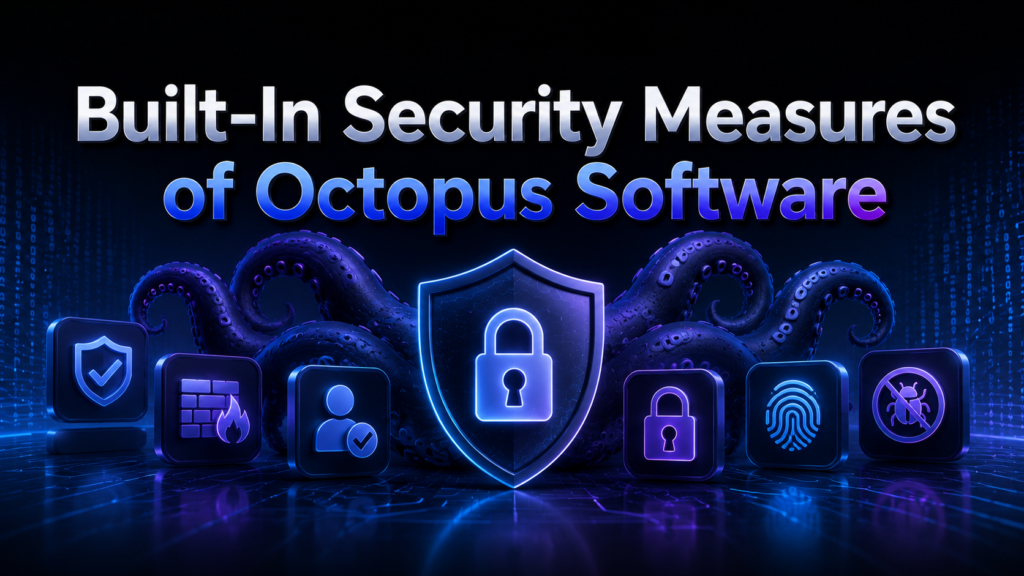
Octopus has invested in several formal security practices that most enterprise-grade software tools are expected to follow today. These measures form the backbone of why many organizations consider it a trustworthy platform.
Industry Compliance Standards
Octopus maintains compliance with ISO 27001 and SOC 2 Type II, which are internationally recognized frameworks for information security management. These certifications require the company to follow strict processes around data handling, access control, and risk management, and they are typically reviewed on a recurring basis rather than being a one-time achievement.
Independent Security Audits
Every year, an outside security firm reviews Octopus systems and practices to identify weaknesses before attackers can exploit them. This third-party review process adds a layer of accountability that internal testing alone cannot provide, since external auditors are not influenced by internal assumptions about what is already secure.
Bug Bounty and Vulnerability Disclosure
Octopus runs public bug bounty programs that invite independent security researchers to test the platform and report vulnerabilities in exchange for rewards. The company is also an active CVE Numbering Authority, meaning it takes formal responsibility for disclosing vulnerabilities so customers can make informed decisions about patching and risk.
Shared Responsibility: Octopus vs the User
One of the most misunderstood aspects of software safety is that no vendor can guarantee complete protection on their own. Octopus operates on a shared responsibility model, where certain duties fall on the company and others fall on the customer.
What Octopus Is Responsible For
When using Octopus Cloud, the company takes responsibility for the physical infrastructure, server uptime, and the core security of the hosted environment. This includes patching the underlying platform and maintaining the certifications mentioned earlier.
What the User Must Handle
If an organization self-hosts Octopus Server, they take on responsibility for hardening the operating system, managing user permissions, and securing the network around it. Even with Octopus Cloud, users must still manage who has login access and how sensitive data is handled within their own workflows.
Why Configuration Mistakes Happen
Most security incidents involving deployment tools are not caused by flaws in the software itself but by human error during setup. Weak passwords, overly broad user permissions, and unpatched servers are common mistakes that undermine even the most secure platform available.
Real Concerns and Criticism Worth Knowing
No fair review of Octopus safety would be complete without addressing criticism. Some cybersecurity professionals have raised valid concerns that deserve attention rather than dismissal.
Deployment Tools as Attack Targets
Because deployment platforms have access to production environments, they are attractive targets for supply chain attacks.
If an attacker compromises the deployment pipeline, they can potentially push malicious code directly into live systems, which is a far more dangerous outcome than a typical data breach.
Concerns From Regulated Industries
Certain professionals, particularly in legal and financial sectors, have expressed hesitation about installing deployment automation tools on sensitive on-premise servers without fully understanding the access being granted.
This concern is less about Octopus specifically and more about the broader category of automation tools that require elevated system privileges.
Balancing Convenience and Risk
The convenience that automation provides can sometimes overshadow the security review that should happen before adoption. Organizations that skip proper risk assessment before deployment are more likely to face avoidable incidents later.
How Octopus Compares to Other Deployment Tools
Understanding safety often becomes clearer when compared against similar tools in the market.
| Feature | Octopus Deploy | Jenkins | GitHub Actions |
| Compliance Certifications | ISO 27001, SOC 2 | Varies by plugin setup | GitHub enterprise security |
| Hosting Options | Cloud and self-hosted | Mostly self-hosted | Cloud-based |
| Bug Bounty Program | Yes | Community dependent | Yes |
| Ease of Security Setup | Moderate | Requires manual hardening | Built into GitHub ecosystem |
| Best Suited For | Enterprise CD pipelines | Custom CI/CD workflows | Repositories already on GitHub |
This comparison shows that Octopus holds its own against competitors, particularly because of its formal compliance certifications and structured audit process, though tools like GitHub Actions benefit from being tightly integrated into an already secure ecosystem.
Best Practices for Using Octopus Safely
Following a few practical steps can significantly reduce risk regardless of which deployment tool an organization chooses.
- Enable multi-factor authentication for every user account with access to the platform
- Apply the principle of least privilege so users only get the access they truly need
- Keep the server and all dependencies updated with the latest security patches
- Regularly review audit logs to detect unusual login or deployment activity
- Segment production environments from testing environments to limit exposure
These steps apply whether an organization is asking is Octopus software safe for a small team or evaluating it for a large enterprise rollout.
Is It Safe for Small Businesses and Enterprises Alike
Small businesses often benefit from Octopus Cloud since it removes the burden of managing infrastructure security themselves. Enterprises, on the other hand, may prefer self-hosting for greater control, but this comes with added responsibility for hardening and monitoring the environment. Regulatory needs such as GDPR compliance also influence which hosting option makes more sense for a given organization.
Frequently Asked Questions
Is Octopus Deploy free to use?
Octopus offers limited free usage for small teams, with paid tiers required for larger deployments and advanced features.
Can Octopus software be hacked?
No software is completely immune to attacks, but Octopus reduces risk through audits, bug bounty programs, and compliance certifications.
Is Octopus Cloud safer than self-hosting?
Octopus Cloud shifts more security responsibility to the provider, which can be safer for teams without dedicated security staff.
Does Octopus store sensitive company data?
It can store configuration and deployment data, which is why access control on the user side remains essential.
Conclusion
So, is Octopus software safe? The honest answer is yes, with proper setup and responsible usage. It holds solid industry certifications, undergoes regular independent audits, and maintains an active vulnerability disclosure program.
At the same time, no deployment tool can protect an organization from poor configuration or careless access management. The real safety of Octopus, much like any enterprise software, depends on the shared effort between the provider’s security practices and the user’s own diligence in following best practices.
Related Articles
Animal Care Software: A Complete Guide for Vets, Shelters, and Farms
Android Software Developer Jobs: A Complete Career Guide
Vetter Software: A Complete Guide to Vetting and Verification Tools
Lab Automation Software: A Complete Guide for Modern Laboratories
GoPerfect AI Recruitment Software: The Complete Guide for Modern Hiring Teams


