

Wolf 3D Software: Complete Guide to the Classic 3D Game Engine
June 17, 2026
New Software Oxzep7 Python: Features, Benefits, Applications, and Complete Guide
June 17, 2026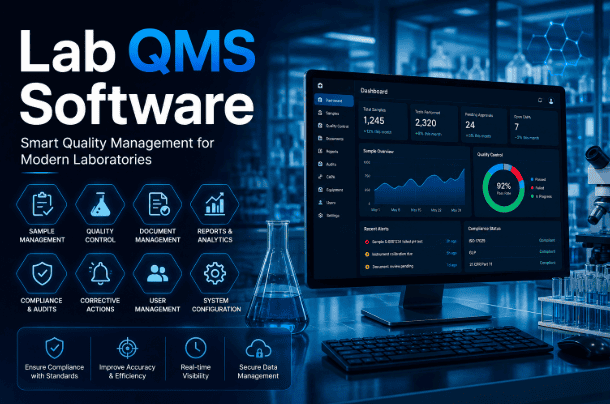
Introduction to Lab QMS Software
Laboratories operate in highly regulated environments where maintaining quality, accuracy, and compliance is extremely important. Managing documents, audits, corrective actions, and training manually can become difficult and time-consuming. This is where lab qms software plays an important role in improving laboratory operations.
Lab qms software, which stands for Laboratory Quality Management System software, is designed to help laboratories maintain high standards while reducing paperwork and human errors. It provides a centralized platform for managing quality-related activities and ensures that laboratories meet industry regulations and customer expectations.
What Is Lab QMS Software?
Lab QMS software is a digital solution that helps laboratories control and monitor quality processes. It manages documentation, tracks audits, records non-conformances, and supports corrective and preventive actions.
Modern laboratories use these systems to improve efficiency and maintain compliance with standards such as ISO 17025 and ISO 15189. By replacing paper-based systems, organizations can simplify daily operations and increase productivity.
Why Quality Management Is Important in Laboratories
Quality management is essential because laboratory results must be accurate and reliable. Even a small error can affect research findings, patient care, or product quality.
A well-managed quality system ensures consistency in procedures and helps organizations maintain trust with customers, regulatory bodies, and stakeholders. Lab qms software provides the tools necessary to achieve these goals effectively.
How Lab QMS Software Works
Lab qms software brings different quality functions together into one centralized system. Instead of maintaining separate records and spreadsheets, laboratories can access all quality-related information through a single platform.
The software records activities, stores documents, tracks employee training, and generates reports automatically. This improves transparency and makes it easier to identify issues before they become serious problems.
Basic Working Process
The system collects information from different laboratory processes and organizes it in a structured format. Users can create documents, assign tasks, review audits, and manage corrective actions from one location.
Automated notifications and approval workflows ensure that important tasks are completed on time. This helps laboratories maintain continuous quality improvement.
Key Features of Lab QMS Software
Modern quality management systems include several useful features that help laboratories maintain compliance and efficiency.
Document Control
Document management is one of the most important features of lab qms software. It allows laboratories to create, edit, approve, and archive documents securely.
Version control prevents outdated procedures from being used and ensures that employees always have access to the latest information.
Corrective and Preventive Actions (CAPA)
CAPA management helps laboratories investigate issues and implement solutions. This process reduces the likelihood of recurring problems and supports continuous improvement.
By tracking corrective actions, organizations can identify root causes and improve overall performance.
Audit Management
Internal and external audits are necessary for maintaining compliance. Lab qms software simplifies audit planning, scheduling, and reporting.
Auditors can record observations electronically, making the entire process faster and more organized.
Training and Competency Tracking
Employee competency directly affects laboratory performance. Training modules within the software allow managers to monitor staff qualifications and training progress.
This ensures that employees remain up to date with procedures and regulatory requirements.
Risk Management
Risk management features help laboratories identify potential problems before they affect operations. Early detection minimizes disruptions and improves reliability.
Organizations can prioritize risks and implement preventive measures more effectively.
Benefits of Using Lab QMS Software
Implementing lab qms software offers numerous advantages for laboratories of all sizes. These benefits contribute to better efficiency and higher quality standards.
Improved Accuracy
Manual processes are more likely to produce mistakes. Digital systems reduce errors by automating tasks and maintaining standardized procedures.
Accurate records improve confidence in laboratory results and strengthen customer trust.
Better Regulatory Compliance
Regulatory requirements continue to become more complex. Lab qms software helps organizations maintain compliance through automated documentation and reporting.
Compliance management becomes easier because information is stored in a centralized and easily accessible system.
Increased Productivity
Employees spend less time managing paperwork and more time focusing on laboratory operations. Automation reduces repetitive tasks and improves workflow efficiency.
This allows laboratories to deliver faster and more reliable services.
Enhanced Traceability
Traceability is essential for identifying the source of problems and maintaining accountability. Digital records make it easier to track changes and review historical information.
This capability supports quality assurance and regulatory inspections.
Industries That Use Lab QMS Software
Various industries depend on laboratory quality systems to maintain standards and improve operational efficiency.
Clinical Laboratories
Clinical laboratories require accurate test results and strict regulatory compliance. Lab qms software helps maintain quality and improve patient safety.
Proper documentation and audit management ensure reliable healthcare services.
Pharmaceutical Industry
Pharmaceutical companies must comply with strict manufacturing and testing regulations. Quality management systems support these requirements and help maintain product integrity.
Automation improves efficiency while reducing compliance risks.
Biotechnology Organizations
Biotechnology companies conduct complex research activities that require precise quality control. Lab qms software assists in managing documentation and maintaining consistency.
This contributes to successful research and development projects.
Environmental Testing Laboratories
Environmental laboratories analyze water, air, and soil samples. Maintaining accurate records and compliance standards is essential for reliable testing.
Quality management software improves reporting and traceability.
Lab QMS Software and Regulatory Standards
Laboratories must comply with several international standards. Lab qms software simplifies the process of meeting these requirements.
ISO 17025 Compliance
ISO 17025 focuses on the competence of testing and calibration laboratories. It requires effective documentation, traceability, and quality control.
Using lab qms software makes it easier to satisfy these requirements and prepare for accreditation.
ISO 15189 Requirements
Medical laboratories often follow ISO 15189 standards. These regulations emphasize quality management and technical competence.
Digital systems help laboratories maintain compliance and improve patient care.
Good Laboratory Practice (GLP)
GLP guidelines ensure that laboratory studies are conducted consistently and accurately. Proper documentation and data integrity are essential components of these requirements.
Lab qms software supports GLP compliance through automation and secure record management.
Comparison Between Paper-Based Systems and Lab QMS Software
The transition from traditional systems to digital platforms provides many advantages.
| Feature | Paper-Based System | Lab QMS Software |
| Document Storage | Physical files | Digital records |
| Accessibility | Limited | Easy access |
| Error Rate | High | Low |
| Audit Preparation | Time-consuming | Faster |
| Traceability | Difficult | Simple |
| Compliance Management | Manual | Automated |
| Reporting | Slow | Quick |
Factors to Consider Before Choosing Lab QMS Software
Selecting the right software requires careful evaluation. Laboratories should choose solutions that align with their operational requirements.
Ease of Use
A user-friendly system improves employee adoption and reduces training requirements. Complicated interfaces may create unnecessary challenges.
Simple navigation and intuitive design contribute to better productivity.
Scalability
Laboratories often expand over time. Choosing scalable software ensures that the system can support future growth.
Flexible platforms reduce the need for costly replacements later.
Security Features
Laboratory information is sensitive and must be protected. Strong security features help prevent unauthorized access and maintain data integrity.
Encryption and access controls are important considerations.
Integration Capabilities
Many laboratories use additional systems such as LIMS and ERP platforms. Integration capabilities improve efficiency and eliminate duplicate work.
Connected systems enhance information sharing across departments.
Common Challenges During Implementation
Although lab qms software offers numerous benefits, implementation may present certain challenges.
Employee Resistance
Employees may hesitate to adopt new technologies. Proper communication and training can help reduce resistance and improve acceptance.
Involving staff during the implementation process encourages smoother transitions.
Data Migration Issues
Transferring information from legacy systems can be complex. Careful planning helps prevent data loss and inaccuracies.
Organizations should verify data quality before migration begins.
Training Requirements
Employees need adequate training to use the system effectively. Investing in education improves user confidence and system performance.
Continuous learning contributes to long-term success.
Best Practices for Successful Implementation
Organizations can maximize benefits by following proven implementation strategies.
- Establish clear goals before deployment.
- Provide comprehensive staff training.
- Monitor performance regularly.
- Conduct periodic audits.
- Update procedures continuously.
- Encourage employee feedback.
These practices help laboratories achieve sustainable improvements and maximize return on investment.
Future Trends in Lab QMS Software
Technology continues to transform laboratory operations. Future developments are expected to provide even greater capabilities.
Artificial intelligence is becoming increasingly important for predictive analytics and automation. Cloud-based platforms are also gaining popularity because they offer flexibility and remote accessibility.
Advanced reporting tools and mobile applications are expected to improve decision-making and operational efficiency. These innovations will make quality management systems more intelligent and responsive.
FAQs
Q1: How much does lab QMS software typically cost for a small laboratory?
The article does not mention any pricing information for lab QMS software solutions. Small laboratories should request quotes from multiple vendors and compare subscription versus one-time licensing costs before making a decision.
Q2: Can lab QMS software be accessed remotely by staff working from different locations?
The article mentions cloud-based platforms as a future trend but does not confirm current remote access capabilities. Laboratories with multiple sites or remote staff should specifically confirm cloud accessibility and mobile app support before selecting a platform.
Q3: How long does it typically take to fully implement lab QMS software in a laboratory?
The article discusses implementation challenges but does not provide a specific timeline for full deployment. Implementation duration depends on laboratory size, data migration complexity, and staff training requirements, typically ranging from weeks to several months.
Conclusion
Lab QMS software has become an essential tool for laboratories seeking to improve quality, efficiency, and regulatory compliance. By automating processes and centralizing information, organizations can reduce errors and enhance productivity.
As technology continues to evolve, laboratory quality management systems will become even more powerful. Investing in the right solution helps laboratories maintain high standards, improve customer confidence, and achieve long-term success.
Related Articles
Mind Graph Software: Complete Guide to Features, Benefits, Uses, and Best Tools
Energy Broker Software: Complete Guide for Energy Brokers and Consultants
Why Immorpos35 3 Software Implementations Fail: Complete Guide With Causes and Solutions
Giglad Software Arranger Premium: Features, Benefits, Setup Guide and Complete Review
Betechit.com Software Explained: Full Detailed Guide, Features, Uses, Benefits and Reality
Wolf 3D Software: Complete Guide to the Classic 3D Game Engine


