

Develop Oxzep7 Software: A Complete Beginner-Friendly Guide
July 15, 2026
Software Egg: The Complete Guide to Hidden Easter Eggs in Technology
July 16, 2026
Remote software engineer jobs have become one of the most sought-after career paths in the technology industry today. These roles allow developers to write code, build applications, and collaborate with teams without being tied to a physical office.
Companies across the world now hire remote engineers because it gives them access to global talent while reducing operational costs. For professionals, this shift means more freedom, better work-life balance, and access to opportunities that were previously limited by geography.
This guide walks you through everything you need to know about finding, applying for, and thriving in remote software engineer jobs.
Types of Remote Software Engineering Roles
Remote software engineer jobs are not a single category; they come in different formats depending on how a company structures its workforce. Understanding these differences helps you target the right opportunities.
Fully Remote vs Hybrid vs Remote-First Companies
Fully remote companies have no central office at all, meaning every employee works from home or a location of their choice. Hybrid companies expect occasional office visits, while remote-first companies are built around remote work but may still keep small physical spaces. Knowing which model a company follows helps you set the right expectations before applying.
Frontend, Backend, Full-Stack, DevOps, Mobile, and QA Roles
Remote software engineer jobs span multiple specializations, including frontend development, backend systems, full-stack engineering, DevOps, mobile app development, and quality assurance.
Each specialization requires a different technical focus, but all of them are widely available in remote formats today. Choosing a specialization based on your strengths increases your chances of landing a suitable remote role.
Freelance and Contract vs Full-Time Remote Jobs
Some remote software engineer jobs are project-based freelance contracts, while others are long-term full-time positions with benefits. Freelance roles offer flexibility and variety, whereas full-time remote jobs provide stability and consistent income. Deciding between the two depends on your financial goals and preferred work style.
Skills Required for Remote Software Engineering Jobs
Succeeding in remote software engineer jobs requires more than just technical knowledge. You also need the ability to manage your own schedule and communicate clearly without face-to-face interaction.
Core Technical Skills
Technical skills remain the foundation of any remote software engineer job. Employers typically expect proficiency in programming languages such as Python, JavaScript, or Java, along with frameworks relevant to the role. Strong problem-solving ability and familiarity with version control systems are also essential.
Soft Skills for Remote Work
Communication, self-discipline, and time management are critical soft skills for remote engineers. Since teams are often spread across different locations, being able to explain your work clearly through written messages or video calls becomes just as important as writing good code.
Common Tools Used by Remote Engineers
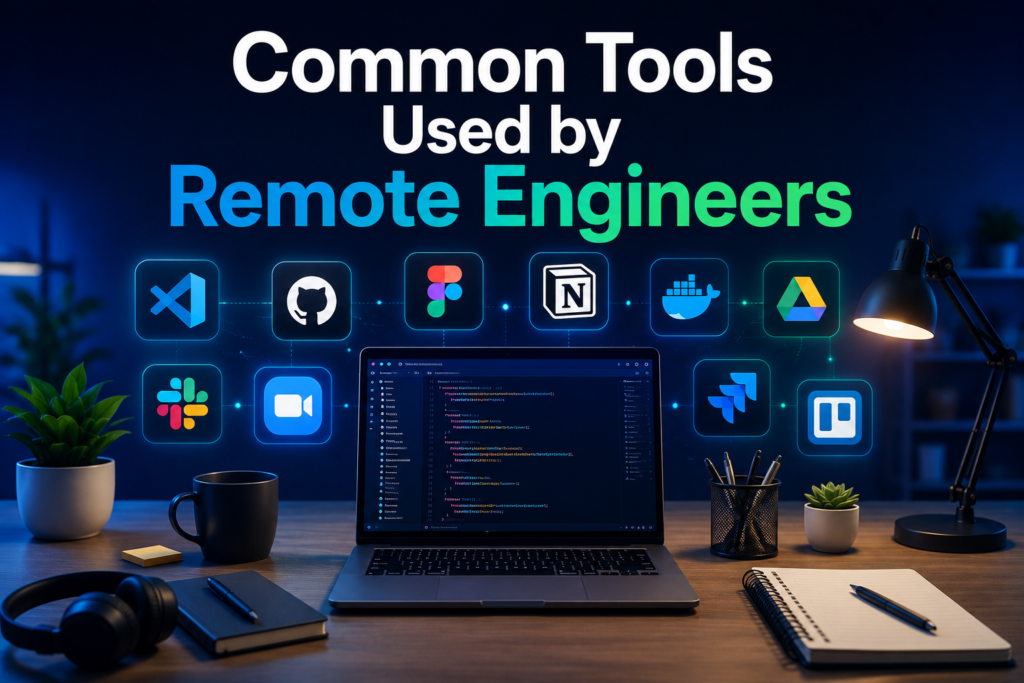
Remote software engineer jobs rely heavily on collaboration tools. Below is a table summarizing commonly used tools and their purpose.
| Tool | Purpose |
| Slack | Team communication and quick updates |
| Git/GitHub | Version control and code collaboration |
| Jira | Task and project tracking |
| Zoom | Video meetings and stand-ups |
| VS Code Live Share | Real-time collaborative coding |
Benefits of Remote Software Engineering Jobs
Remote software engineer jobs offer several advantages that make them attractive compared to traditional office roles. These benefits go beyond just working from home.
Flexibility and Work-Life Balance
One of the biggest draws of remote software engineer jobs is the flexibility they provide. Engineers can often set their own schedules, take breaks when needed, and spend more time with family, which leads to better overall work-life balance.
Access to Global Job Markets
Remote positions remove geographical restrictions, allowing engineers to apply for roles at companies located anywhere in the world. This significantly increases the number of opportunities available compared to searching only within a local city.
Cost Savings and Higher Earning Potential
Working remotely eliminates commuting costs and reduces expenses related to office attire and daily meals. In many cases, remote software engineer jobs also pay competitively, especially when hired by companies based in higher-paying regions.
Challenges of Remote Software Engineering Jobs
While remote software engineer jobs offer many benefits, they also come with unique challenges that require conscious effort to overcome.
Isolation and Communication Gaps
Working alone for long hours can lead to feelings of isolation. Without regular in-person interaction, engineers may also experience communication gaps that require extra effort through written updates or scheduled calls.
Time Zone Differences
Many remote software engineer jobs involve working with teams across different time zones. This can make scheduling meetings difficult and sometimes requires adjusting your working hours to overlap with colleagues.
Self-Management and Burnout Risks
Without a structured office environment, some engineers struggle with self-management, leading to overworking or burnout. Setting clear boundaries between work and personal time is essential for long-term success.
How to Find Remote Software Engineer Jobs
Finding legitimate remote software engineer jobs requires knowing where to look and how to identify reliable opportunities.
Best Job Boards for Remote Roles
Several job boards specialize in remote positions, including We Work Remotely, RemoteOK, LinkedIn, AngelList, Turing, and Toptal. These platforms filter listings specifically for remote roles, making the search process more efficient.
Networking and Referrals
Personal connections often lead to better opportunities than cold applications. Engaging with developer communities, attending virtual meetups, and reaching out to former colleagues can help you discover remote software engineer jobs before they are publicly listed.
Company Career Pages
Many remote-first companies such as GitLab, Automattic, and Zapier post openings directly on their career pages. Checking these pages regularly can help you find roles that may not appear on general job boards.
How to Prepare a Standout Application
A strong application significantly increases your chances of securing remote software engineer jobs, especially given the high competition for these roles.
Resume Tips for Remote Roles
Your resume should highlight past remote work experience, self-management skills, and specific technical achievements. Quantifying your impact, such as performance improvements or project completions, makes your application stand out.
Portfolio and GitHub Presence
Having an active GitHub profile with well-documented projects demonstrates your coding ability to potential employers. A personal portfolio website showcasing your work can further strengthen your application for remote software engineer jobs.
Cover Letter and LinkedIn Optimization
A tailored cover letter that explains why you are suited for remote work adds a personal touch to your application. Keeping your LinkedIn profile updated with relevant skills and endorsements also helps recruiters find you more easily.
Interview Process for Remote Software Engineer Jobs
The interview process for remote roles often differs slightly from traditional in-person hiring, with a stronger emphasis on technical assessments.
Typical Interview Stages
Most remote software engineer jobs involve an initial screening call, followed by a technical assessment, a live coding round, and a final culture-fit interview. Understanding this structure helps you prepare effectively for each stage.
Common Remote Interview Tools
Companies often use platforms like CodeSignal, HackerRank, and Zoom to conduct remote interviews. Familiarizing yourself with these tools beforehand can reduce technical issues during the actual interview.
Tips to Succeed in Virtual Interviews
Testing your internet connection, choosing a quiet environment, and practicing clear verbal explanations of your thought process can significantly improve your performance during virtual interviews for remote software engineer jobs.
Salary Expectations for Remote Software Engineer Jobs
Understanding salary trends helps you negotiate better offers when applying for remote positions.
Factors Affecting Remote Salaries
Salaries for remote software engineer jobs depend on factors such as your experience level, the company’s location, and the size of the organization. Specialized skills in high-demand areas like cloud computing or artificial intelligence can also command higher pay.
Remote vs Onsite Pay Comparison
In some cases, remote salaries are slightly lower than onsite roles in expensive cities, while in other cases, companies offer the same pay regardless of location. Researching industry standards helps set realistic salary expectations.
Negotiation Tips
Being transparent about your experience and having a clear understanding of market rates strengthens your position during salary negotiations for remote software engineer jobs.
Setting Up for Remote Work Success
A well-organized home setup plays a major role in maintaining productivity in remote software engineer jobs.
Home Office Setup Essentials
A dedicated workspace with a reliable internet connection, comfortable seating, and proper lighting improves focus and reduces distractions during work hours.
Productivity Tools and Routines
Using productivity techniques like time-blocking and tools such as task managers can help remote engineers stay organized and meet deadlines consistently.
Building a Personal Brand
Sharing your knowledge through blogs, social media, or open-source contributions helps establish credibility, which can open doors to better remote software engineer jobs over time.
Career Growth as a Remote Software Engineer
Long-term career growth is achievable in remote roles with the right strategies and continuous learning.
Upskilling and Certifications
Continuously learning new technologies and earning relevant certifications keeps your skills competitive in the evolving landscape of remote software engineer jobs.
Building Visibility Through Community Involvement
Participating in open-source projects, writing technical blogs, or speaking at virtual conferences increases your visibility within the developer community, leading to more career opportunities.
Moving Into Senior or Lead Roles
With experience and demonstrated leadership abilities, remote engineers can advance into senior or lead positions, often managing distributed teams while continuing to work remotely.
Frequently Asked Questions
Are remote software engineer jobs in high demand?
Yes, demand continues to grow as companies increasingly adopt remote-first hiring practices across the technology sector.
Do remote software engineer jobs pay less than office jobs?
Not necessarily; pay depends on company policy, experience level, and location rather than work format alone.
What skills are most important for remote engineering roles?
Strong technical ability combined with communication and self-management skills are equally important for success.
Conclusion
Remote software engineer jobs offer a flexible and rewarding career path for developers willing to adapt to independent work styles. By building strong technical skills, preparing a solid application, and maintaining discipline, engineers can thrive in this growing job market while enjoying the freedom that remote work provides.
Related Articles
Develop Oxzep7 Software: A Complete Beginner-Friendly Guide
RFP 2025 Software: Complete Guide to Choosing the Best Proposal Tool
EasySuite Software Download Free: Complete Guide to Features, Pricing and Installation
Animal Care Software: A Complete Guide for Vets, Shelters, and Farms
Android Software Developer Jobs: A Complete Career Guide


