
Lab Automation Software: A Complete Guide for Modern Laboratories
July 14, 2026
Android Software Developer Jobs: A Complete Career Guide
July 15, 2026
Vetter software is a digital tool that helps organizations verify people, vendors, tenants, or content before approving them. It automates background checks, identity verification, and risk scoring so businesses can make faster and safer decisions.
Instead of relying on manual paperwork, companies use vetter software to pull data from trusted sources and flag any red flags instantly. This guide explains everything about vetter software in simple language, from its core features to how it compares with other tools in the market. By the end, you will understand exactly how vetter software works and how to pick the right one for your needs.
What Is Vetter Software
Vetter software is a system designed to check and confirm the background, identity, or reliability of a person, company, or piece of content. It replaces slow manual verification with automated digital checks.
Core Purpose of Vetter Software
The main purpose of vetter software is to reduce risk before an organization commits to a relationship, whether that is hiring an employee, onboarding a vendor, or approving a tenant. It pulls information from public records, databases, and verification services to build a trust profile. This helps decision-makers avoid fraud, legal trouble, and reputational damage.
How It Differs from Manual Vetting
Manual vetting depends on human researchers checking references, calling employers, or searching records one by one, which takes days or weeks. Vetter software completes the same checks in minutes by connecting directly to verified databases. This difference in speed and accuracy is why most modern businesses have shifted toward automated vetting systems.
Types of Vetter Software
There is no single type of vetter software since different industries need different verification processes. The tools are generally grouped by the kind of subject they screen.
Employee Screening Tools
These tools check criminal records, employment history, and educational qualifications of job applicants. Companies use them during hiring to confirm that a candidate’s resume matches reality. This category is the most widely used form of vetter software across industries.
Vendor Risk Tools
Vendor risk vetter software evaluates third-party companies before a business signs a contract with them. It checks financial stability, compliance history, and past legal issues. This protects organizations from partnering with unreliable or risky suppliers.
Tenant Screening Tools
Property managers use tenant screening vetter software to check a potential renter’s credit score, rental history, and eviction records. This reduces the chance of late payments or property damage. It has become a standard step in most rental applications today.
Content Vetting Tools
Online platforms use content vetting software to review user-generated posts, images, or accounts for policy violations. This type of vetter software relies on automated scanning combined with human review. It helps platforms maintain safety and trust at a large scale.
Key Features to Look For
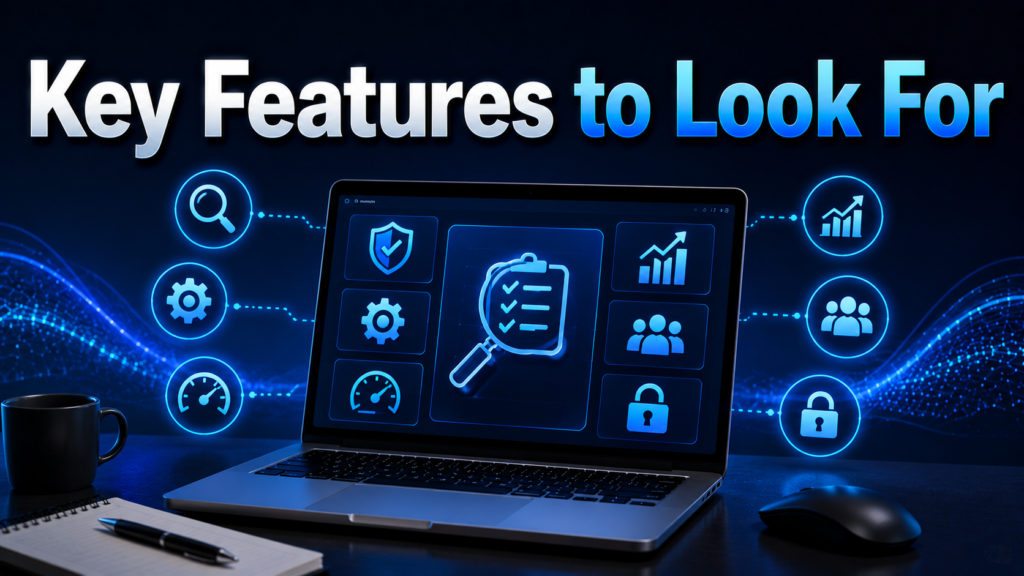
Not every vetter software offers the same features, so understanding what to look for helps in choosing the right one. The strongest platforms combine automation with accuracy and compliance.
Automated Background Checks
Automated background checks pull criminal, employment, and identity records without manual effort. Good vetter software updates these checks continuously rather than only at the time of onboarding. This keeps risk profiles accurate over time.
Identity Verification
Identity verification confirms that a person is who they claim to be, often through government ID scans or biometric matching. This feature prevents impersonation and fraud during onboarding. Most modern vetter software includes this as a default function.
Risk Scoring
Risk scoring assigns a numerical or category-based score to a person or entity based on collected data. It helps decision-makers quickly judge whether further review is needed. This feature saves time when handling large volumes of applications.
Compliance Tracking
Compliance tracking ensures that the vetting process follows legal frameworks such as data protection or fair hiring laws. Vetter software with built-in compliance tracking reduces legal exposure for the business. It also keeps an audit trail in case of disputes.
How Vetter Software Works
Vetter software follows a structured process from data collection to final decision. Understanding this flow makes it easier to see why automation improves accuracy.
Data Submission
The process begins when a person or entity submits their information, such as identity documents or company details. This data is entered into the vetter software either manually or through an integrated form. Accurate submission at this stage affects the quality of the entire check.
Verification Process
Once submitted, the software cross-checks the data against government records, credit bureaus, or industry databases. This step confirms whether the submitted information is genuine and up to date. Errors or mismatches are flagged automatically for review.
Risk Assessment
After verification, the vetter software analyzes the collected data to calculate a risk level. This includes checking for red flags like past fraud, legal issues, or inconsistent records. The system then generates a risk profile for the reviewer.
Final Reporting
The last step produces a clear report summarizing findings, risk scores, and recommendations. Decision-makers use this report to approve, reject, or request more information. Detailed reporting is one of the biggest advantages of using vetter software over manual checks.
Benefits of Using Vetter Software
Vetter software offers several practical advantages that make it valuable for modern organizations. These benefits directly affect speed, cost, and safety.
Speed and Efficiency
Automated checks are completed in minutes instead of days, allowing businesses to onboard people or vendors faster. This efficiency is especially important for companies handling high application volumes. Faster decisions also improve the overall applicant experience.
Reduced Bias
Since vetter software relies on data rather than personal judgment, it reduces the chance of unconscious bias affecting decisions. This creates a fairer screening process for all applicants. Consistent criteria are applied to every case automatically.
Regulatory Compliance
Most vetter software is built to follow data protection and employment laws relevant to the region it operates in. This reduces the legal risk of non-compliant vetting practices. Businesses also benefit from built-in audit logs for regulatory reporting.
Challenges and Limitations
While vetter software brings many benefits, it is not without drawbacks. Businesses should understand these limitations before fully depending on automated systems.
False Positives and Negatives
Automated systems can sometimes flag an innocent person as risky or miss an actual red flag due to outdated data. This makes human review still necessary for edge cases. Relying solely on automation without oversight can lead to unfair rejections.
Privacy Concerns
Collecting sensitive personal data raises privacy and security concerns, especially if the vetter software does not follow strict data protection standards. Businesses must ensure the tool complies with regulations like GDPR. Poor data handling can lead to legal penalties and loss of trust.
Cost and Integration Complexity
High-quality vetter software can be expensive, especially for small businesses with limited budgets. Integrating it with existing HR or CRM systems may also require technical resources. These factors should be weighed against the expected return on investment.
Popular Categories and Competitor Comparison
Different vetter software providers focus on different verification needs, and comparing them helps businesses choose wisely.
| Category | Primary Use Case | Key Strength |
| HR Background Check Platforms | Employee screening | Fast criminal and employment checks |
| KYC and Compliance Platforms | Financial and identity verification | Strong regulatory compliance |
| Vendor Risk Platforms | Third-party business screening | Financial and legal risk analysis |
| Tenant Screening Platforms | Rental applicant checks | Credit and rental history reports |
| Content Vetting Platforms | User-generated content review | Scalable automated moderation |
HR Background Check Platforms
These platforms specialize in verifying employment and criminal history for job applicants. They are widely used by recruitment teams because of their speed and integration with applicant tracking systems. Most HR-focused vetter software also offers education verification as an add-on.
KYC and Compliance Platforms
KYC-focused vetter software is designed for banks, fintech companies, and other regulated industries. It emphasizes strict identity verification and anti-fraud measures. These platforms often include real-time monitoring for suspicious activity.
Vendor Risk Platforms
Vendor risk vetter software focuses on assessing the financial and legal standing of business partners. It is commonly used by procurement and legal teams before signing contracts. These tools often include ongoing monitoring rather than a one-time check.
How to Choose the Right Vetter Software
Selecting the right vetter software depends on business size, industry, and specific screening needs. A few practical factors can guide this decision.
Assess Business Needs
Before choosing software, a business should identify exactly what needs to be verified, such as employees, vendors, or tenants. This clarity prevents overspending on unnecessary features. Matching the tool to actual needs improves long-term value.
Budget and Scalability
Cost should be weighed against how well the software scales as the business grows. Some vetter software charges per check, while others offer subscription plans. Choosing a scalable option avoids the need to switch systems later.
Future Trends in Vetter Software
The vetting industry continues to evolve with new technology improving speed and accuracy. Two trends stand out as the most significant for the coming years.
AI-Driven Vetting
Artificial intelligence is increasingly used to detect patterns and anomalies that traditional checks might miss. AI-driven vetter software can predict risk more accurately by analyzing large datasets. This trend is expected to reduce false positives significantly.
Blockchain-Based Verification
Blockchain technology is being explored to create tamper-proof identity records that can be verified instantly. This could reduce fraud in vetter software by ensuring data authenticity. Adoption is still growing but shows strong long-term potential.
FAQs
What industries use vetter software the most?
HR, finance, real estate, and online platforms use it most frequently for screening people or entities before approval.
Is vetter software accurate?
It is generally accurate but can produce false results if data sources are outdated, so human review is still recommended.
Does vetter software store personal data?
Yes, most platforms store data temporarily for verification, so choosing a compliant provider is important for privacy.
Conclusion
Vetter software has become an essential tool for businesses that need fast, reliable, and compliant verification processes. From hiring employees to screening vendors and tenants, it reduces risk while saving time compared to manual methods.
Understanding its features, limitations, and available options helps businesses choose the right solution for their specific needs.
Related Articles
Senior Software Engineer Vacancies: Complete Guide
Guru Knowledge Base Software: Complete Guide, Features & Benefits
Standard Assessment Procedure Software Explained: A Complete Guide for Builders and Assessors
Zotac RTX 3090 Trinity OC Download Software – Complete Guide
VBox Software: A Complete Guide for Beginners and Professionals


