

Freight Broker Software: A Complete Guide
September 1, 2026
Archibus Software: A Complete Guide to Features, Benefits and Uses
September 1, 2026
Fashion design has always depended on creativity, but the tools used to bring ideas to life have changed a lot over the years. Earlier, designers had to draw sketches by hand and then create physical samples to see how a garment would actually look. This process was slow, expensive, and often wasteful because many samples never made it to production.
Today, 3d fashion design software allows designers to skip many of these repetitive steps. A designer can create a digital pattern, apply fabric properties, and instantly see how the garment drapes on a 3D avatar.
This shift is not just about convenience; it is also helping the fashion industry become more sustainable and efficient. Brands, students, and independent designers are now adopting these tools to speed up their workflow and reduce costs at every stage of production.
What is 3D Fashion Design Software?
3d fashion design software is a digital tool that helps designers create garments in a three-dimensional virtual environment instead of only on flat paper.
Definition in Simple Words
This type of software takes a flat pattern, similar to a sewing pattern, and wraps it around a digital human body model. The designer can rotate the garment, zoom in on stitching details, and check how it fits from every angle without physically sewing anything.
How It Differs From Traditional Design Methods
Traditional fashion design depends heavily on manual sketching and physical trial and error with fabric. 3D tools remove much of this guesswork by simulating how real fabric behaves, which means fewer physical samples are needed before a final decision is made.
Why the Fashion Industry is Shifting to 3D
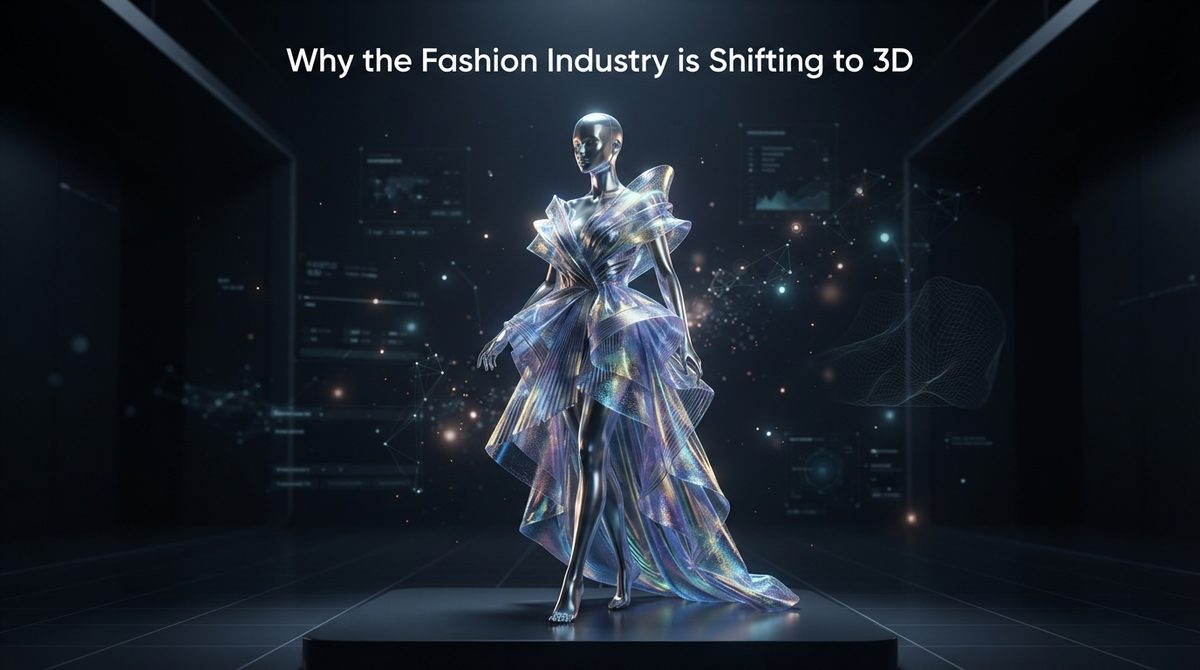
The fashion industry is moving toward digital design because it saves money, time, and materials while still producing accurate results.
Cost and Time Savings
Physical sampling is expensive because it requires fabric, labor, and shipping between design studios and factories. With 3d fashion design software, many of these samples can be reviewed and approved digitally, cutting down both cost and production time significantly.
Growing Demand for Sustainable Practices
Fashion brands are under pressure to reduce their environmental impact. Digital design reduces fabric waste because designers can test and correct mistakes on the screen instead of wasting real materials during the sampling stage.
Brief History: From 2D Sketching to 3D Digital Design
Fashion design tools have evolved gradually from hand-drawn sketches to fully interactive 3D simulation software used across the industry today.
Early Digital Tools
In the early stages, fashion technology was limited to 2D computer-aided design programs that helped digitize flat sketches and patterns. These tools improved accuracy but still could not show how a garment would move or fit on a body.
The Rise of 3D Simulation
As computing power increased, software developers introduced realistic cloth physics engines. This allowed 3d fashion design software to simulate how different fabrics stretch, fold, and hang, which brought design closer to real-world accuracy than ever before.
How 3D Fashion Design Software Works
Understanding the working process behind this software helps designers use it more effectively and get realistic results from their digital garments.
Core Technology Behind Garment Simulation
Most 3D fashion tools use physics-based engines that calculate how fabric reacts to gravity, movement, and body shape. This technology mimics real sewing and draping so designers can trust what they see on screen.
Cloth Physics and Fabric Behavior
Every fabric type behaves differently, and good software allows designers to adjust weight, stretch, and stiffness settings. This means a silk dress and a denim jacket will move and fold in realistic, different ways during simulation.
Pattern Making versus 3D Draping
Pattern making involves creating flat pieces that are digitally stitched together, while draping allows designers to shape fabric directly on a 3D form. Many programs combine both methods for maximum flexibility.
Avatar and Body Fitting Technology
Digital avatars can be adjusted to match different body measurements and sizes. This helps designers check fit accuracy across various body types before moving into physical production.
Key Features to Look For
Choosing the right software becomes easier once a designer understands which features matter most for their specific design needs.
Realistic Fabric Simulation
Good simulation engines replicate how fabric folds, stretches, and reacts to movement, giving a true-to-life preview of the finished garment.
Pattern-to-3D Conversion
This feature allows a flat sewing pattern to be automatically wrapped around a digital avatar, saving significant manual design time.
Texture and Print Mapping
Designers can apply colors, prints, and textures directly onto the 3D garment, allowing quick visualization of different fabric options without reprinting samples.
Virtual Try-On Capabilities
Virtual try-on tools let brands show customers how a garment might look and fit, which is increasingly used in online shopping experiences.
Rendering and Animation Tools
High-quality rendering produces photorealistic images, while animation tools show how garments move when a model walks or turns.
Export Options
Most professional software supports formats like OBJ, FBX, and glTF, making it easy to share designs across different platforms and industries.
Integration With 2D CAD Tools
Many programs connect with 2D design software, allowing designers to move smoothly between flat pattern work and 3D visualization.
Popular 3D Fashion Design Software
Several software options are available today, each offering different strengths depending on the user’s skill level and industry.
CLO3D
CLO3D is widely recognized for its realistic garment simulation and is commonly used by both students and professional design studios worldwide.
Marvelous Designer
This tool is known for its strong cloth simulation engine and is popular not only in fashion but also in gaming and film costume design.
Browzwear VStitcher
Browzwear focuses on virtual sampling for fashion brands, helping companies reduce physical prototypes during the product development stage.
Optitex
Optitex combines traditional pattern making with 3D visualization, making it a good choice for technical designers who need precision.
TUKA3D
Developed by Tukatech, this software blends pattern design with 3D fitting tools, often used in technical and manufacturing environments.
Style3D
Style3D is a cloud-based platform that allows real-time collaboration, which is useful for teams working across different locations.
Comparison Table
| Software | Best For | Skill Level | Common Use Case |
| CLO3D | Realistic draping | Beginner to Pro | Apparel design |
| Marvelous Designer | Cloth simulation | Intermediate to Pro | Fashion, gaming, film |
| Browzwear | Virtual sampling | Professional | Brand production |
| Optitex | Technical patterns | Intermediate | Manufacturing |
| TUKA3D | Pattern and fit | Professional | Technical design |
| Style3D | Team collaboration | Intermediate to Pro | Cloud-based design |
Benefits of Using 3D Fashion Design Software
These tools offer practical advantages that go beyond simple visual appeal and directly impact business efficiency.
Reduced Sampling Costs
Fewer physical samples are needed because most design corrections happen digitally before any fabric is cut.
Faster Design-to-Production Timeline
Digital workflows allow teams to move from concept to final approval much faster than traditional manual methods.
Sustainability and Reduced Fabric Waste
Since fewer physical prototypes are made, less fabric is wasted, supporting more environmentally responsible production practices.
Better Collaboration Between Teams
Design and manufacturing teams can review the same 3D file remotely, reducing miscommunication and delays across different departments.
Enhanced E-commerce Experience
Virtual try-on features help online shoppers make better purchasing decisions, which can reduce return rates for fashion retailers.
Industries and Use Cases
3D fashion tools are not limited to clothing brands alone; they are used across several creative and technical industries.
Apparel and Ready-to-Wear
Most everyday clothing brands use this software to speed up seasonal collection development and reduce sampling costs.
Footwear Design
Shoe designers use similar 3D principles to test materials, shapes, and structural details before manufacturing physical prototypes.
Gaming and Film Costume Design
Character costume designers rely on realistic cloth simulation to create believable clothing movement in animated and live-action productions.
Digital Fashion and NFTs
Some designers now create clothing exclusively for digital avatars and virtual spaces, opening new creative and business opportunities.
Sustainable and Eco-Fashion Brands
Environmentally conscious brands use digital sampling to minimize waste and support more responsible production methods.
Challenges and Limitations
Despite its advantages, 3D fashion design software also comes with certain challenges that users should be aware of.
Learning Curve for Beginners
New users often need time to understand pattern logic and simulation settings before producing accurate, professional results.
Hardware Requirements
Realistic simulation requires a capable computer, and older systems may struggle to run advanced rendering smoothly.
Cost of Premium Software
Professional-grade tools can be expensive, which may be a barrier for independent designers or small businesses.
Accuracy Gaps Compared to Physical Samples
While simulation is advanced, it still cannot fully replace the tactile experience and exact behavior of real fabric in every situation.
How to Choose the Right Software
Selecting the best tool depends on personal skill level, budget, and the specific type of design work being done.
Based on Skill Level
Beginners often benefit from software with simpler interfaces, while professionals may prefer advanced tools with deeper customization options.
Based on Budget
Free or trial versions are useful for learning, while paid subscriptions offer more features suited for commercial production work.
Based on Industry Needs
Apparel brands, footwear designers, and gaming studios each have different priorities, so the right choice depends on the intended use case.
Free versus Paid Options
Free tools are good starting points for students, but paid versions typically offer better simulation accuracy and export options for professional work.
Step-by-Step Guide to Getting Started
Starting with 3D fashion design becomes manageable when approached in a structured, step-by-step manner.
Choosing Your Tool
Begin by selecting software that matches your skill level and design goals, keeping budget and learning resources in mind.
Learning Basic Draping and Pattern Making
Spend time practicing simple garment shapes before moving to complex designs, since strong fundamentals make advanced work easier later.
Adding Textures and Fabrics
Once the base pattern is ready, apply realistic textures and fabric settings to see how the garment will actually look and behave.
Fitting to Avatar
Adjust the digital avatar to match target body measurements to ensure the garment fits accurately across different sizes.
Rendering Final Output
Finish the process by rendering high-quality images or animations that can be shared with clients or production teams.
Future of 3D Fashion Design Software
The future of this technology looks promising as new advancements continue to improve accuracy, speed, and accessibility for designers.
AI Integration in Garment Design
Artificial intelligence is beginning to assist with pattern generation and fabric prediction, which could further reduce design time in the coming years.
Metaverse and Digital Fashion Growth
As virtual spaces grow in popularity, demand for digital-only clothing designed specifically for avatars is expected to increase steadily.
Real-Time Rendering Advancements
Improvements in rendering speed will allow designers to see changes instantly, making the creative process even more efficient than before.
Conclusion
3d fashion design software has become an essential part of modern garment creation, offering faster workflows, reduced costs, and more sustainable practices. From realistic fabric simulation to virtual try-on features, these tools support both independent designers and large fashion brands.
As technology continues to advance with AI and real-time rendering, this software will likely become even more accurate and accessible for users at every skill level.
Frequently Asked Questions
Is 3D fashion design software good for beginners?
Yes, many programs offer beginner-friendly interfaces and tutorials that make it easier to learn pattern making and draping step by step.
How long does it take to learn this software?
Learning time varies, but most users can understand basic functions within a few weeks with consistent practice.
Can this software fully replace physical samples?
Not completely, since physical samples are still useful for final quality checks, but digital tools significantly reduce how many samples are needed.
Is 3D fashion design software useful for career growth?
Yes, many fashion and gaming companies now look for candidates with 3D design skills, making it a valuable addition to a designer’s toolkit.
Related Articles
Best Customizable Worksheet AI Software: Complete 2026 Guide
Motion Graphics Software: A Complete Guide
Rhino 3D Software: A Complete Guide for Beginners and Professionals
Software Definitie: A Complete and Easy Guide to Understanding Software
Hatch Embroidery Software: The Complete Guide for Beginners and Hobbyists


